
 Portable EV Charger
 Home EV Wallbox
 DC Charger Station
 EV Charging Module
 DC Charging Connector
 EV Accessories
7 major charging trends for overseas electric vehicles in 2025
As the number of electric vehicles (EVs) continues to grow globally, charging trends are driving innovation and sustainable development in the industry, transforming the EV ecosystem. From dynamic pricing to seamless user experiences like PNC/V2G, these trends are reshaping EV charging methods and accelerating EV adoption. By 2025, the EV charging landscape will see a series of innovations and changes:
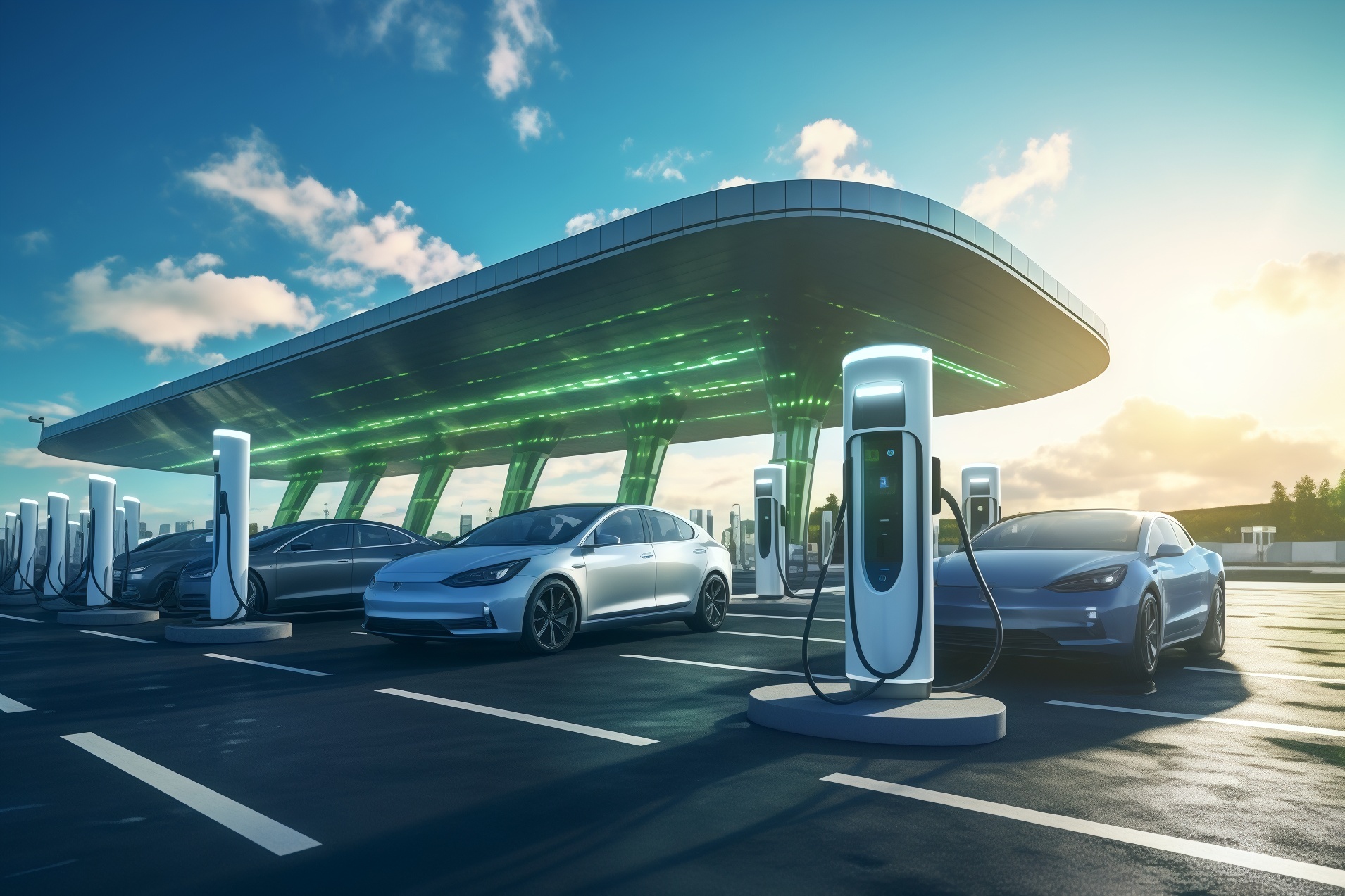
1. Dynamic Pricing:
Dynamic pricing allows for real-time adjustments to charges based on grid demand, capacity, and renewable energy availability. This approach ensures grid efficiency, prevents overload, and encourages environmentally friendly charging behaviors through tailored pricing strategies. Here are a few examples of dynamic pricing:
Real-time pricing: Optimizing rates based on grid capacity, demand patterns, and renewable energy availability. Time-of-use pricing: Adjusting rates based on peak and off-peak hours to encourage cost-effective charging. Tiered and volume-based pricing: Providing rates based on usage levels, thereby incentivizing greater consumption or penalizing peak demand. (For example, a cloud storage provider might charge customers based on the amount of data they store.)
Smart Charging:
Smart EV charging is built on dynamic pricing through integrated advanced load management. This ensures optimal energy use and reduces costs for EV owners. Case 1: Smart EV Fleet Charging: During peak electricity demand, the smart charging solution limits the output power of the chargers at the charging station, allowing charging only to designated priority chargers. The smart charging solution will charge the most important vehicles first.
3. Fast Charging Networks:
The focus on fast charging networks reflects broader EV charging trends, as these networks have become an essential component of the EV ecosystem. DC fast chargers can significantly reduce charging times, providing convenience and reliability for long-distance travel and urban use.
Furthermore, this trend is driven by the need to support EV drivers who lack access to home charging and to meet consumers\’ growing expectations for faster and more efficient charging options. EV charging companies are actively expanding access to fast charging by forming strategic alliances to deploy DC fast chargers in urban areas and along highways.
4. Seamless User Experience:
A seamless user experience and interoperability are critical to building a connected electric vehicle ecosystem. EV drivers expect a consistent, effortless charging experience across the network. ISO 15118 (PNC) allows vehicles to securely identify themselves and automatically initiate charging. This eliminates the need for apps or RFID cards, creating a truly seamless user experience.
Post time: Sep-13-2025
