
 Portable EV Charger
 Home EV Wallbox
 DC Charger Station
 EV Charging Module
 Tesla&CCS1&CCS2
 EV Accessories
The rising popularity of electric vehicles (EVs) is driven by their environmental benefits and cost savings, leading to an increased demand for electric vehicle supply equipment (EVSE), or EV chargers. When it comes to charging an electric vehicle, one of the key decisions is choosing between tethered and non-tethered EV chargers. This article aims to explore the disparities between these two charger types and assist in making an informed decision.
To begin, let’s define a tethered EV charger. Tethered chargers, also known as wallbox chargers, come with a permanently attached cable that directly plugs into the electric vehicle. This means the cable is fixed to the charging unit and cannot be detached. Conversely, non-tethered EV chargers require a separate charging cable to connect to the EV, which can be plugged in when needed and unplugged when not in use.
The primary advantage of a tethered charger is convenience. With a tethered charger, there’s no need to carry a charging cable around, as it is always ready for use, saving time and effort. Additionally, a tethered charger provides added peace of mind, as the cable is less likely to be misplaced or stolen.
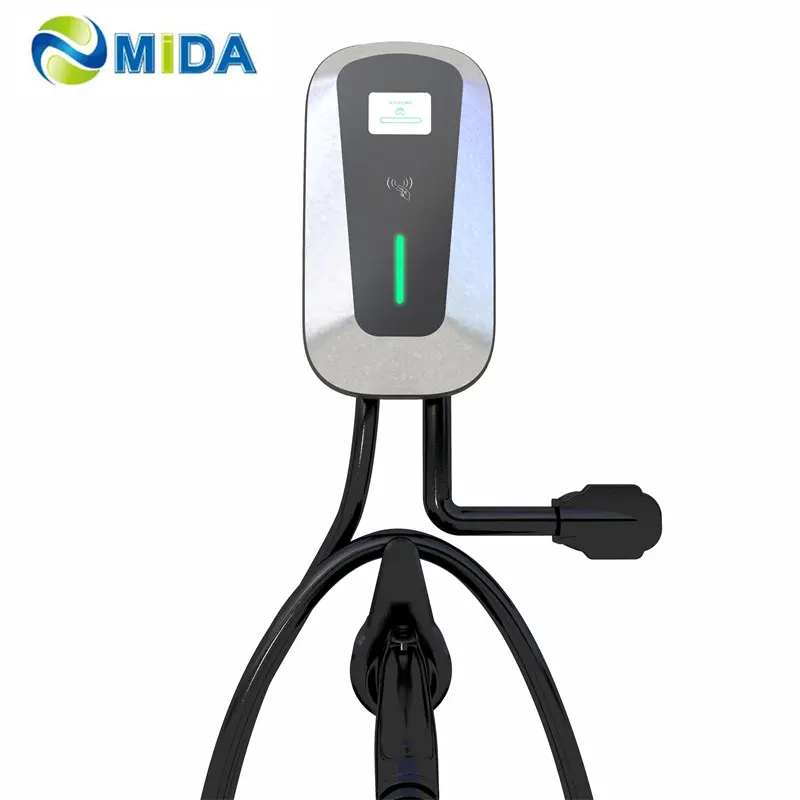
However, there are drawbacks to consider when using a tethered charger. Depending on the cable length, the charging station may need to be positioned close to the EV to ensure a proper connection, limiting flexibility and potentially affecting parking arrangements. Furthermore, if the cable becomes damaged or malfunctions, the entire charging unit will need to be replaced, which can be more costly than simply replacing the cable.
On the other hand, non-tethered chargers offer greater flexibility and versatility. Since the cable is detachable, it can reach a greater distance than a tethered charger, allowing for convenient parking and adjustment of the charger’s location as needed. Additionally, if the cable experiences issues, it can be replaced separately from the charging unit, often resulting in cost savings.
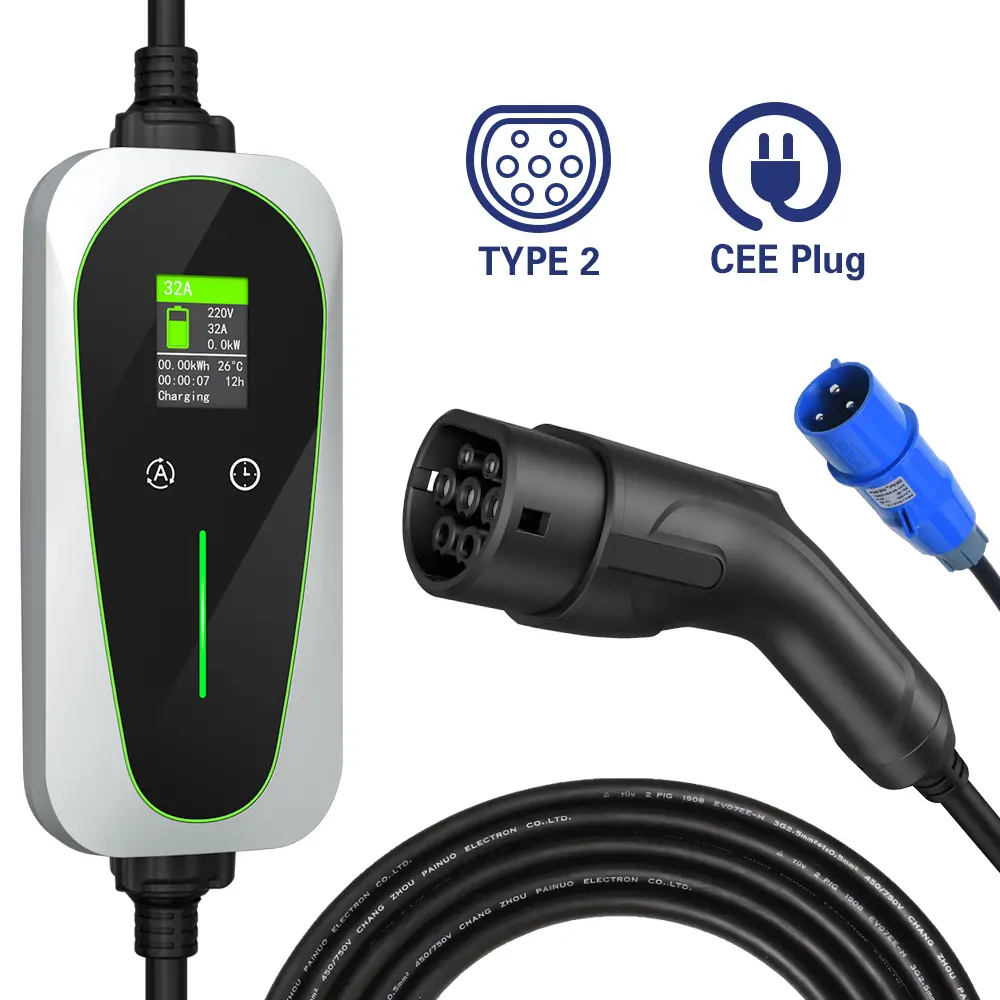
However, the main disadvantage of non-tethered chargers is the inconvenience of carrying the charging cable. It’s essential to ensure that the cable is with you whenever you plan to charge your electric car, as forgetting or misplacing it can lead to difficulties in charging the vehicle.
In conclusion, the choice between tethered and non-tethered EV chargers ultimately depends on personal preferences and charging requirements. If convenience and peace of mind are top priorities, a tethered charger may be the best option. Conversely, if flexibility and cost-effectiveness are important, a non-tethered charger might be more suitable. Consider your daily routine, parking situation, and charging habits to determine the most suitable charger type for your needs.
Post time: Mar-28-2024
