
 Portable EV Charger
 Home EV Wallbox
 DC Charger Station
 BESS Charging Station
 V2G V2H V2V V2L
 EV Charging Module
 DC Charging Connector
 EV Accessories
Introduction
The RENWEX 2025 – 6th International Exhibition & Forum for Energy Saving, Green Energy and Electric Vehicles, held from April 22 to April 24, 2025 at the Expocentre Fairgrounds in Moscow, Russia, marked one of the most important energy transition events in Eastern Europe and the CIS region.
As global energy systems continue to shift toward decarbonization, Russia is gradually increasing its focus on renewable energy integration, energy efficiency improvements, and electric mobility infrastructure development. RENWEX 2025 served as a critical platform where these strategic directions were translated into concrete industrial discussions, technological showcases, and cross-border cooperation opportunities.
The exhibition brought together approximately 100 companies from 5 countries, including China, Russia, Turkey, India, and Spain, reflecting a growing international interest in the Russian clean energy and EV infrastructure market.
Beyond being a traditional exhibition, RENWEX has evolved into a policy–industry dialogue platform, where government institutions, utilities, manufacturers, and solution providers converge to shape the future of energy systems in the region.
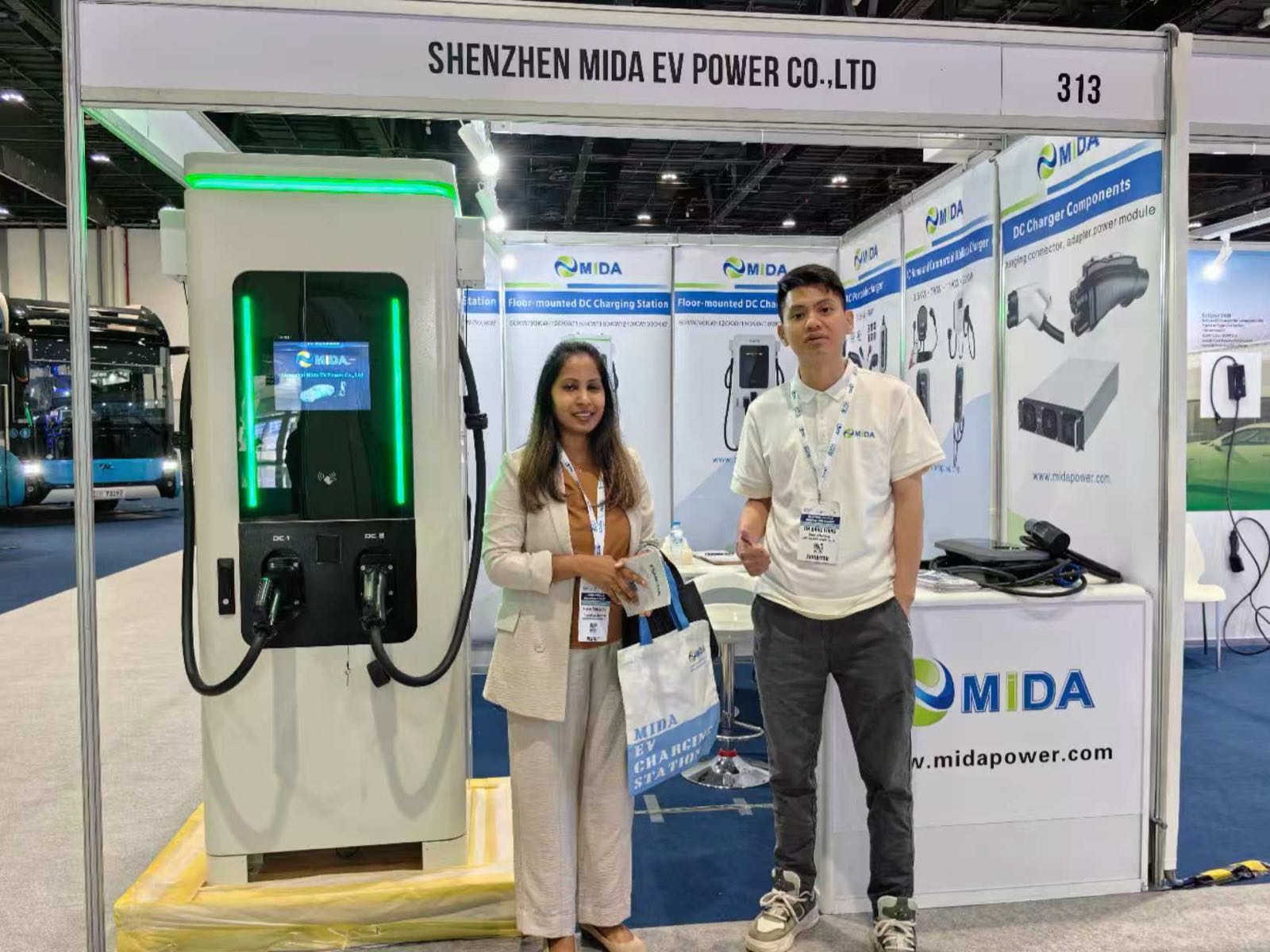
Global Energy Transition Context and Russia’s Position
To understand the significance of RENWEX 2025, it is essential to place it within the broader global energy transition landscape.
Over the past decade, electrification of transport and renewable energy deployment have become central pillars of global decarbonization strategies. While Europe, China, and North America have led early EV adoption, emerging markets such as Russia are now entering an accelerated development phase.
Russia’s energy transition strategy is characterized by three key dimensions:
1. Gradual Electrification of Transport
Although internal combustion engine vehicles still dominate the Russian automotive market, electric vehicle adoption is steadily increasing in major urban centers. Government incentives, fleet electrification projects, and pilot programs are gradually building momentum.
2. Expansion of Charging Infrastructure
One of the most critical bottlenecks in Russia’s EV development remains the insufficient charging infrastructure. The ratio of EVs to public chargers is still far from optimal, creating significant opportunities for international charging equipment suppliers.
3. Integration of Distributed Energy Systems
Russia is increasingly exploring distributed renewable energy systems, particularly solar and hybrid microgrid solutions, which can be integrated with EV charging stations in remote or underserved areas.
RENWEX 2025 directly addressed these strategic challenges by bringing together stakeholders across the entire value chain.
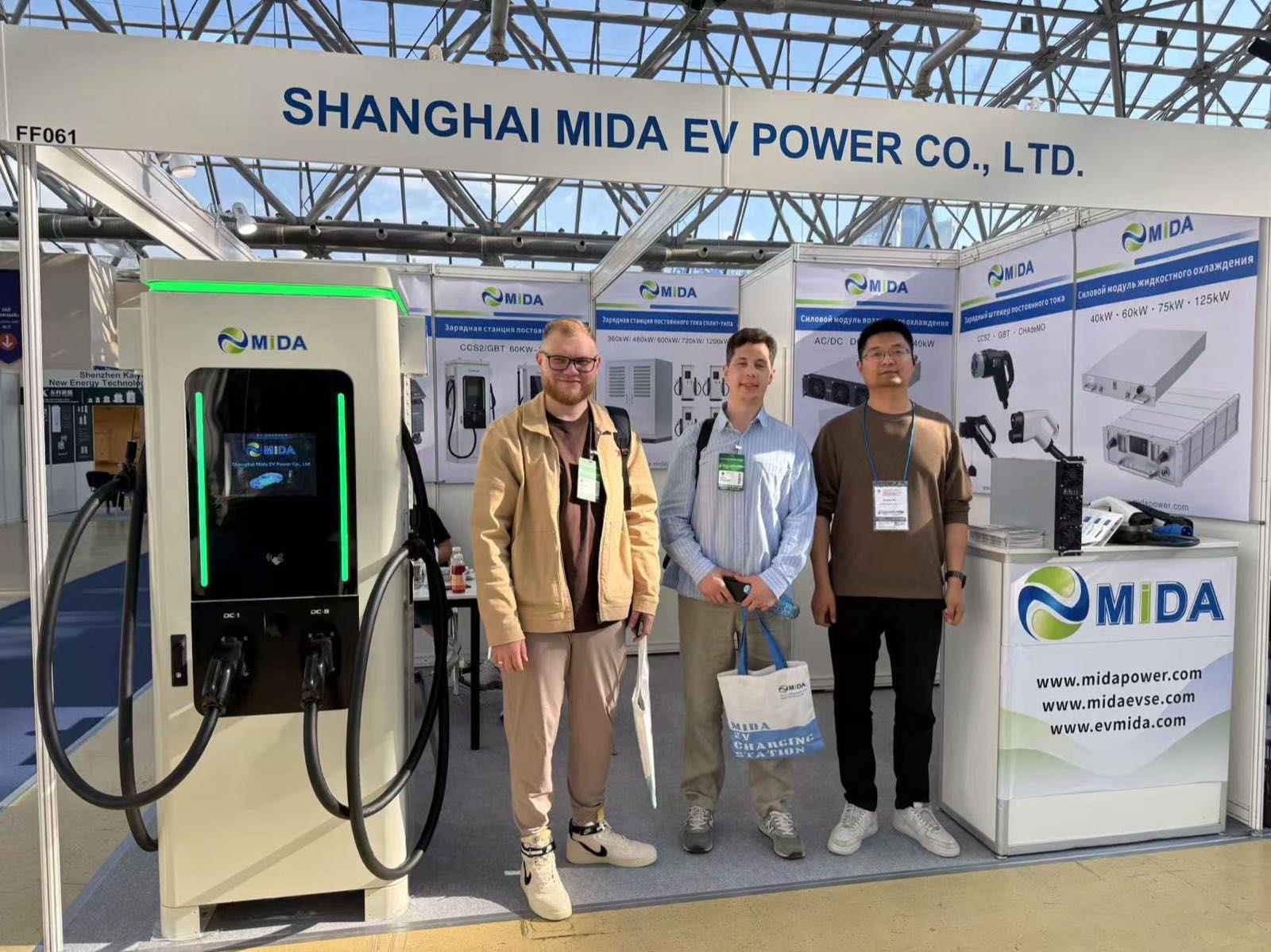
Exhibition Structure and Industry Coverage
RENWEX 2025 featured a comprehensive range of technologies and sectors, including:
● Solar photovoltaic systems and components
● Wind energy technologies
● Hydrogen energy solutions
● Energy storage systems and battery technologies
● Smart grid and energy management platforms
● Electric vehicles and mobility solutions
● EV charging infrastructure and power electronics
● Industrial energy efficiency systems
Among these categories, EV charging infrastructure emerged as one of the most dynamic and high-growth segments, reflecting the urgent need for scalable charging networks across Russia’s vast territory.
The exhibition also hosted multiple technical conferences and forums focusing on:
● Energy policy development in Russia
● Grid modernization strategies
● EV charging standards and interoperability
● Investment opportunities in renewable energy projects
● Cold-climate energy system engineering
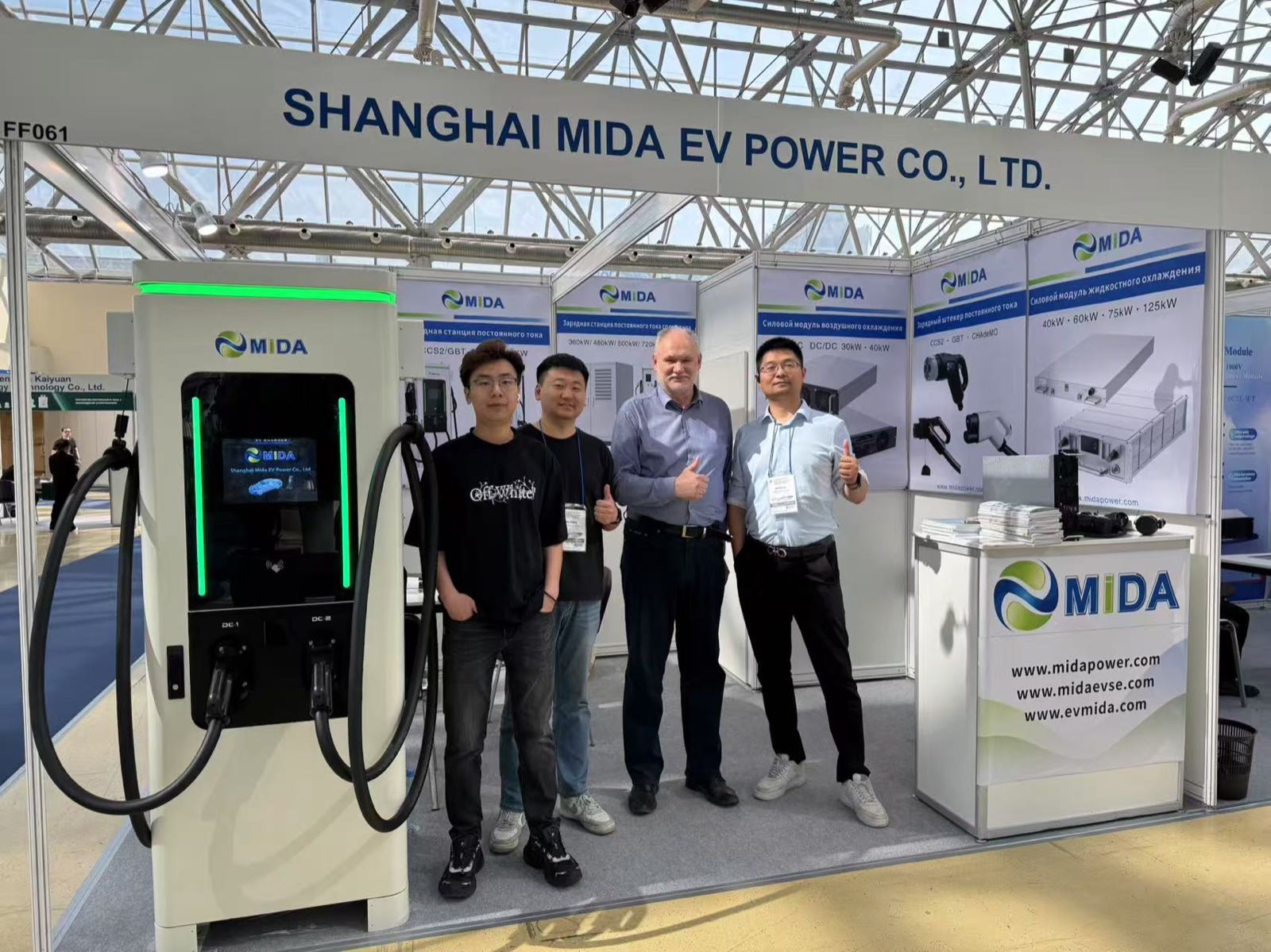
EV Charging Infrastructure: The Core Growth Engine
One of the most notable trends observed at RENWEX 2025 was the increasing emphasis on EV charging infrastructure as a strategic priority.
Several key drivers are shaping this growth:
1. Urban EV Charging Demand
Cities such as Moscow and St. Petersburg are experiencing rising EV adoption rates, particularly among private users, ride-hailing fleets, and corporate vehicle operators.
2. Highway Charging Network Expansion
Given Russia’s vast geographic scale, highway fast-charging corridors are becoming a key development focus to support intercity EV travel.
3. Commercial Fleet Electrification
Logistics companies, delivery fleets, and municipal transport operators are beginning to transition toward electric vehicles, requiring dedicated high-power charging solutions.
4. Cold Climate Engineering Requirements
Unlike many other markets, Russia requires EV charging equipment that can operate reliably under extreme cold conditions, often reaching below -30°C in winter.
These factors collectively create a highly specific and technically demanding market environment.
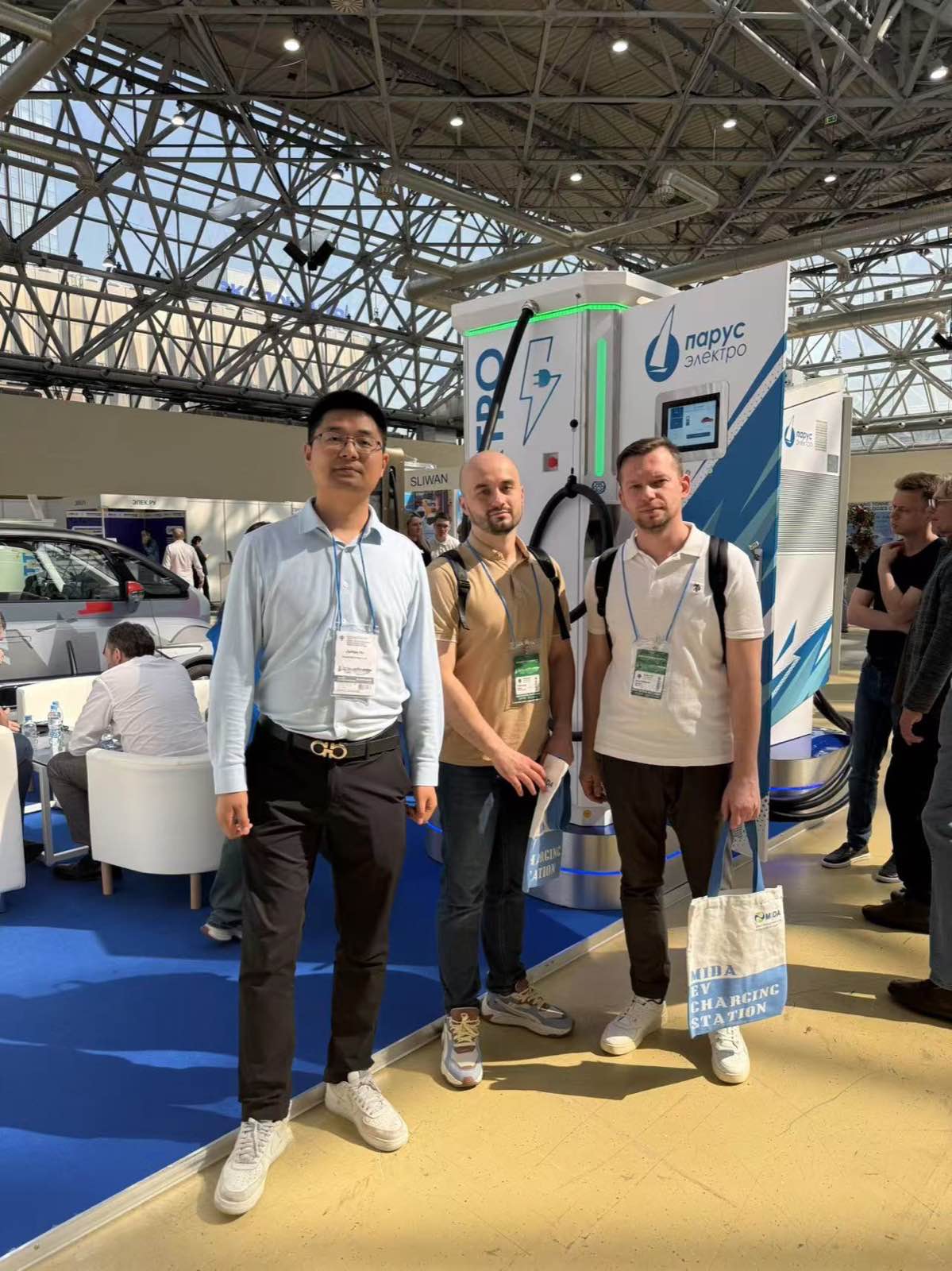
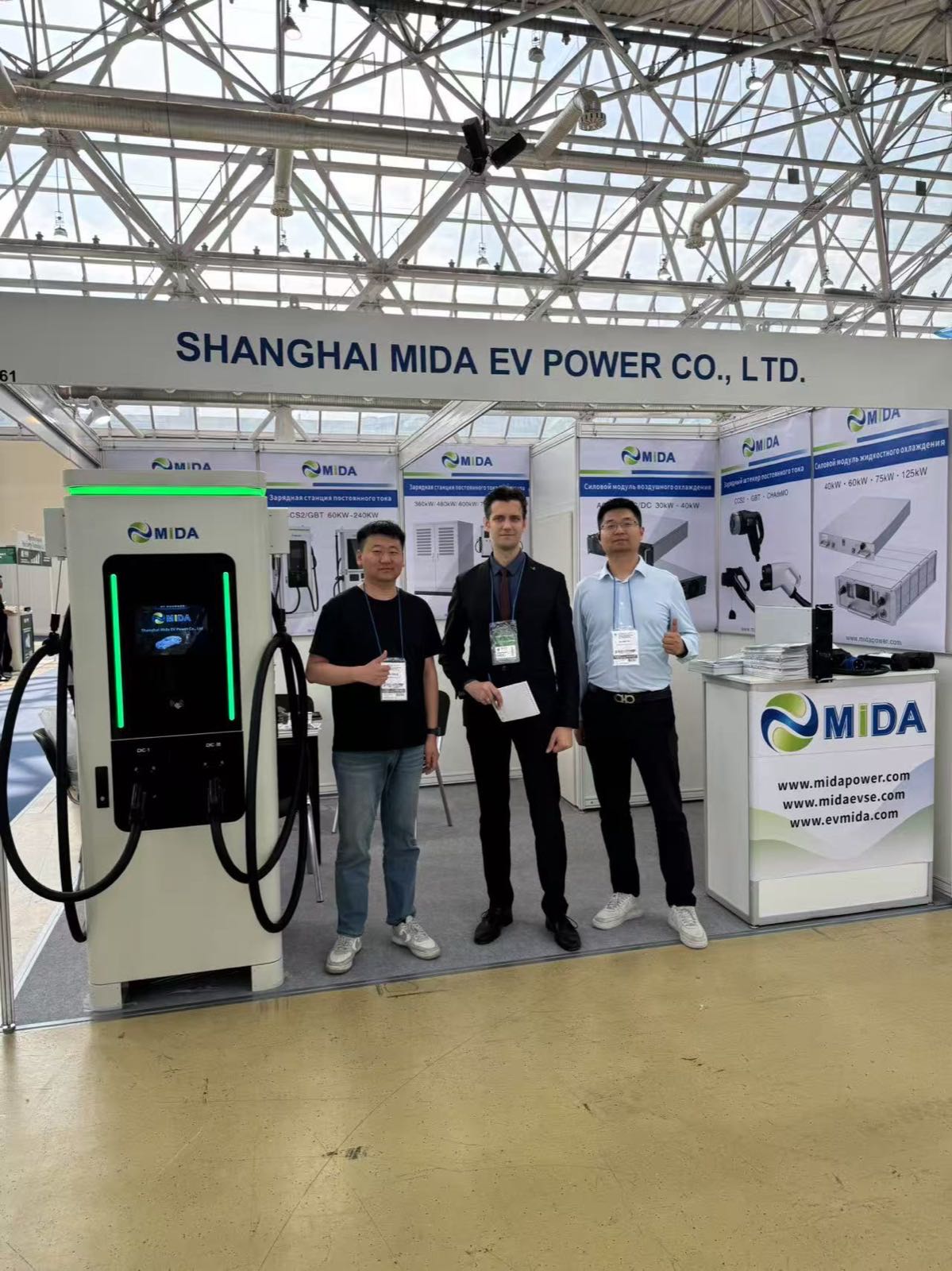
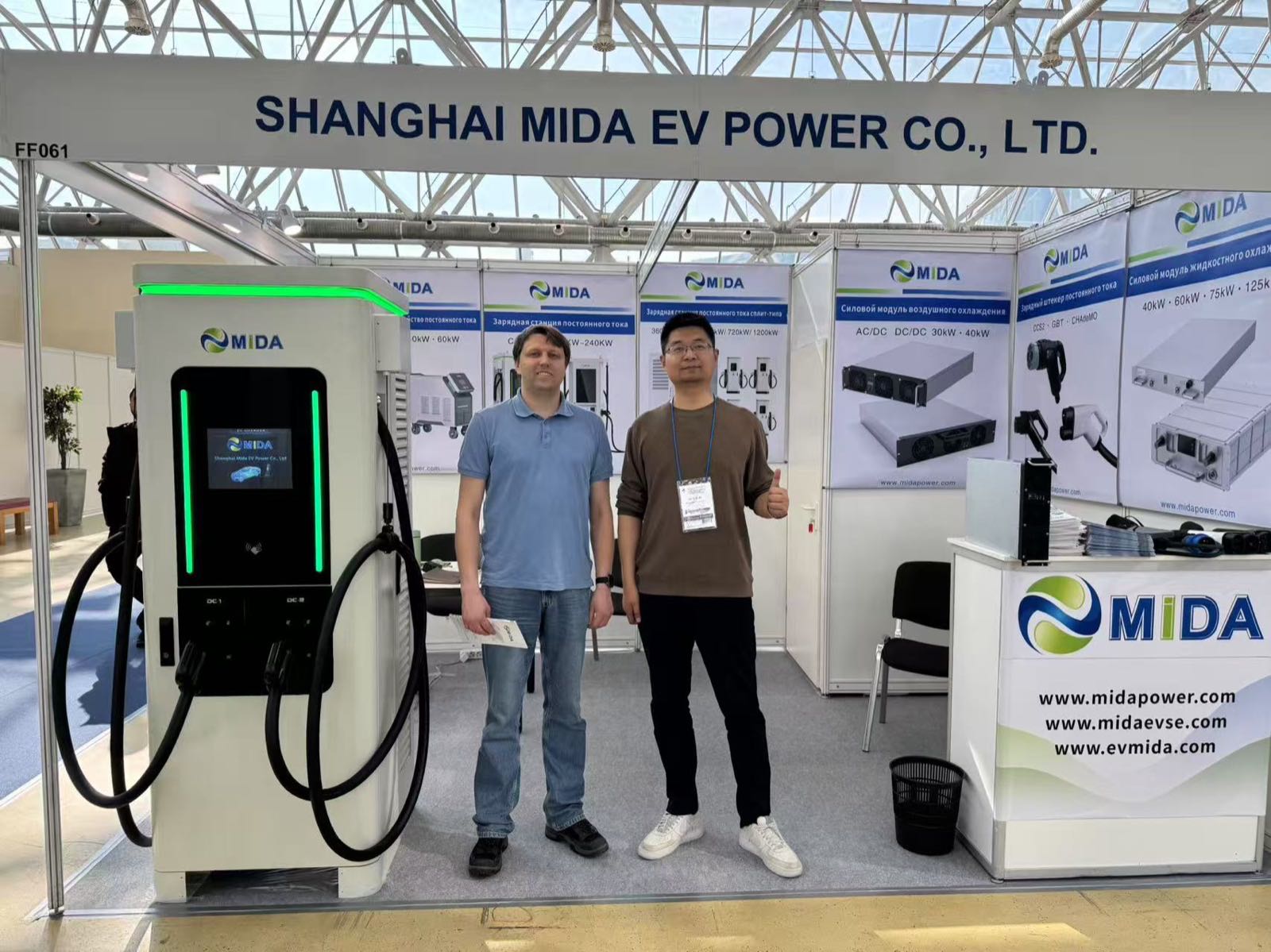
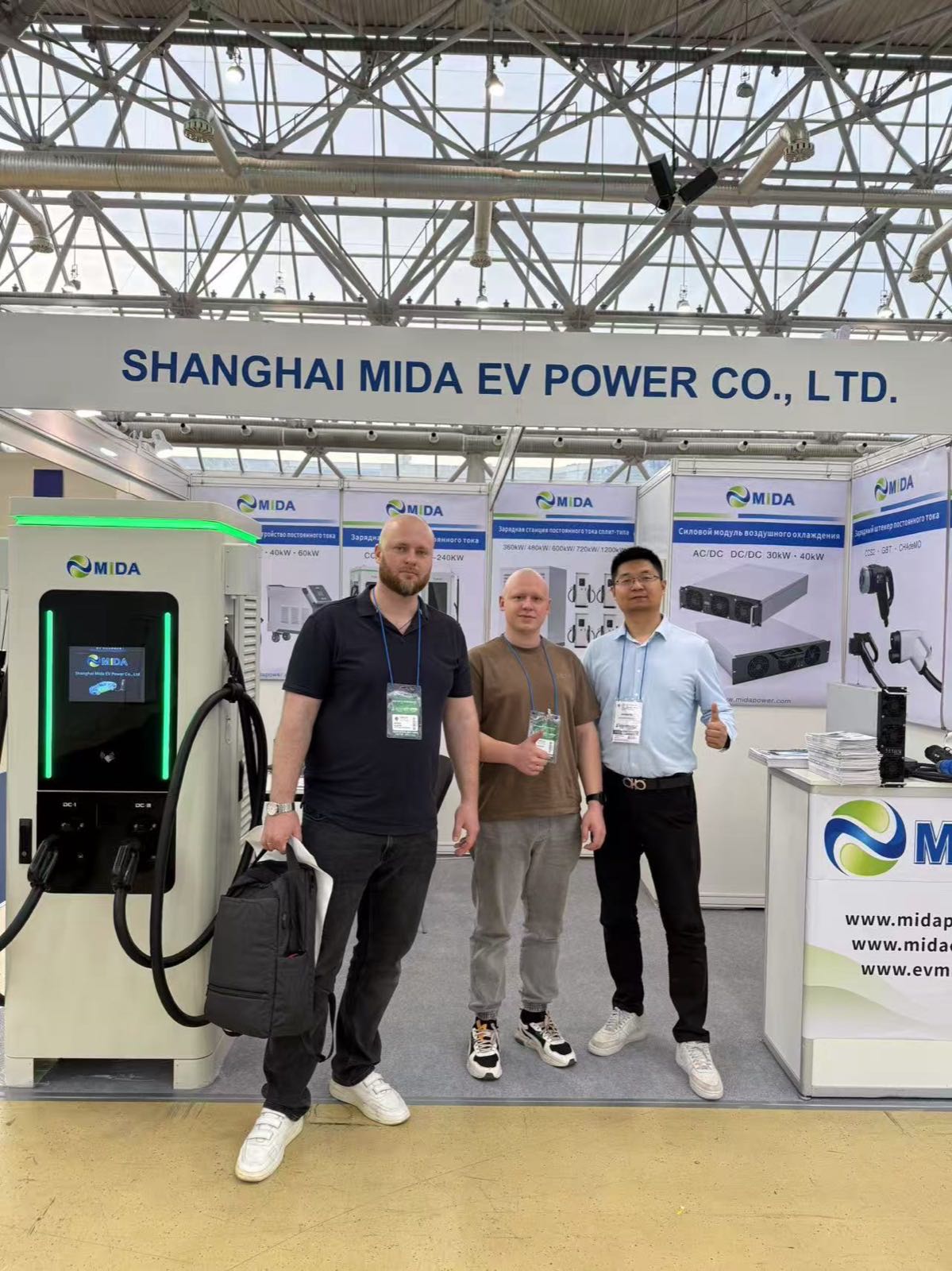
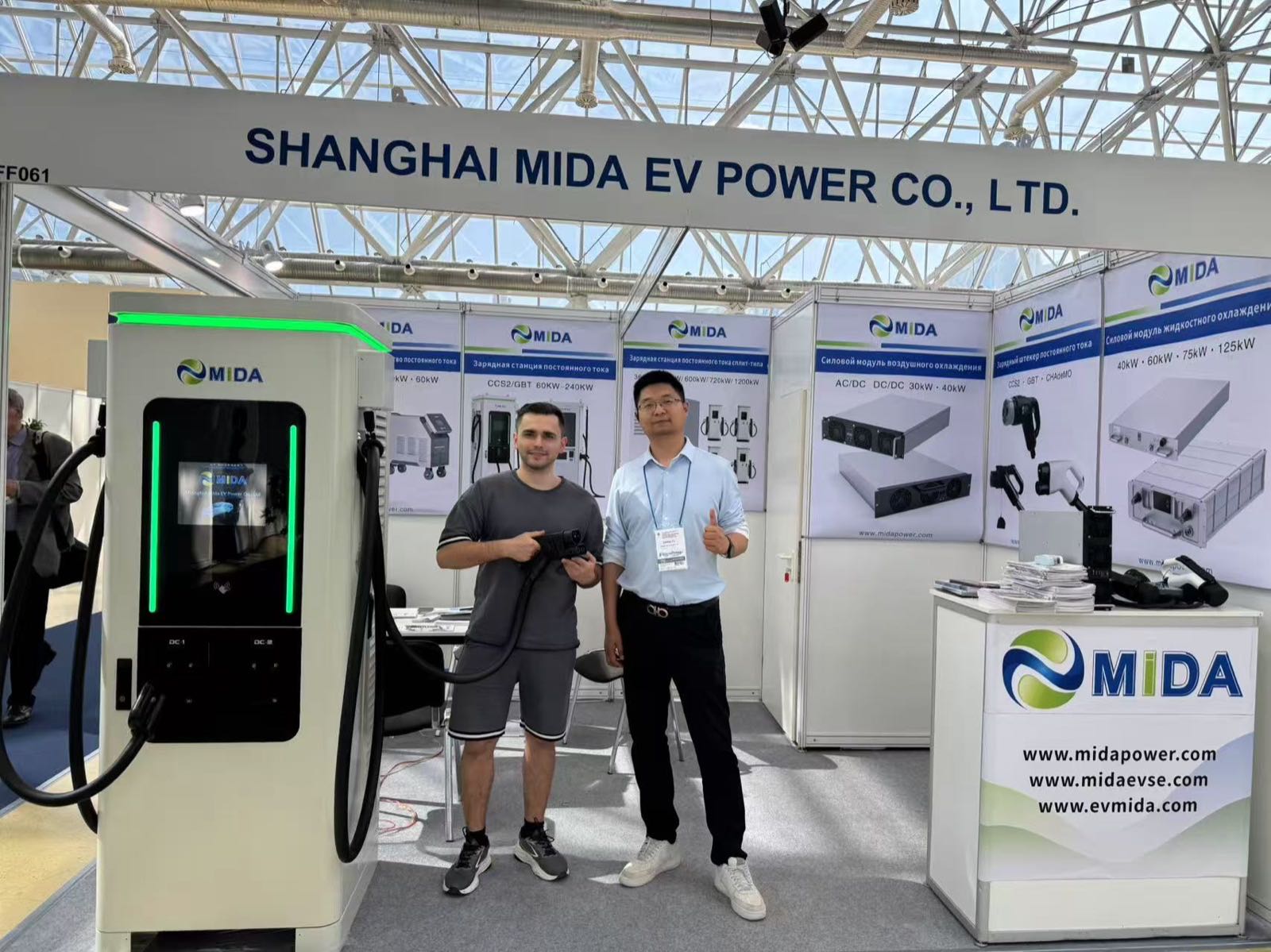
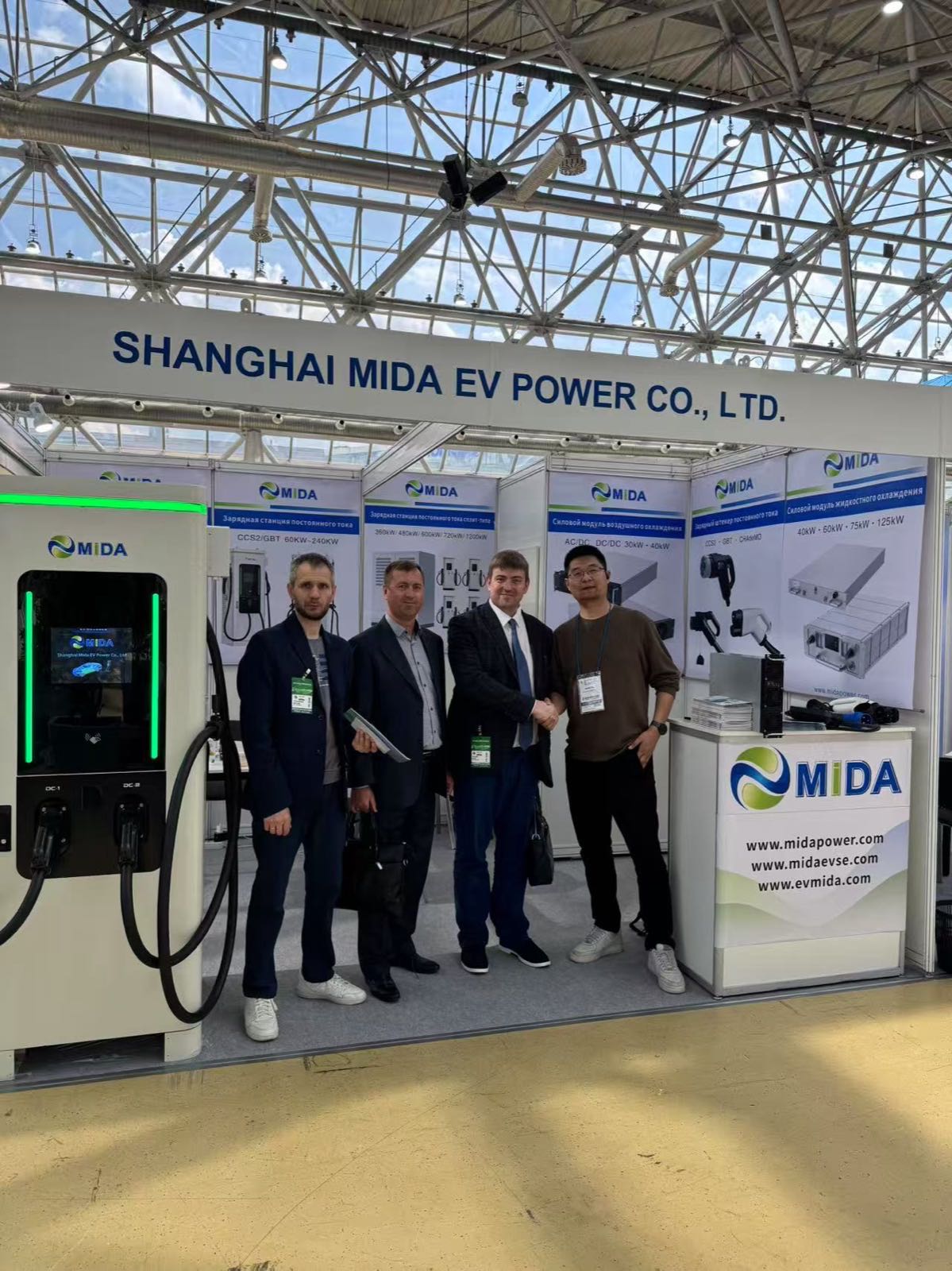
Shanghai MIDA EV POWER CO., LTD at RENWEX 2025
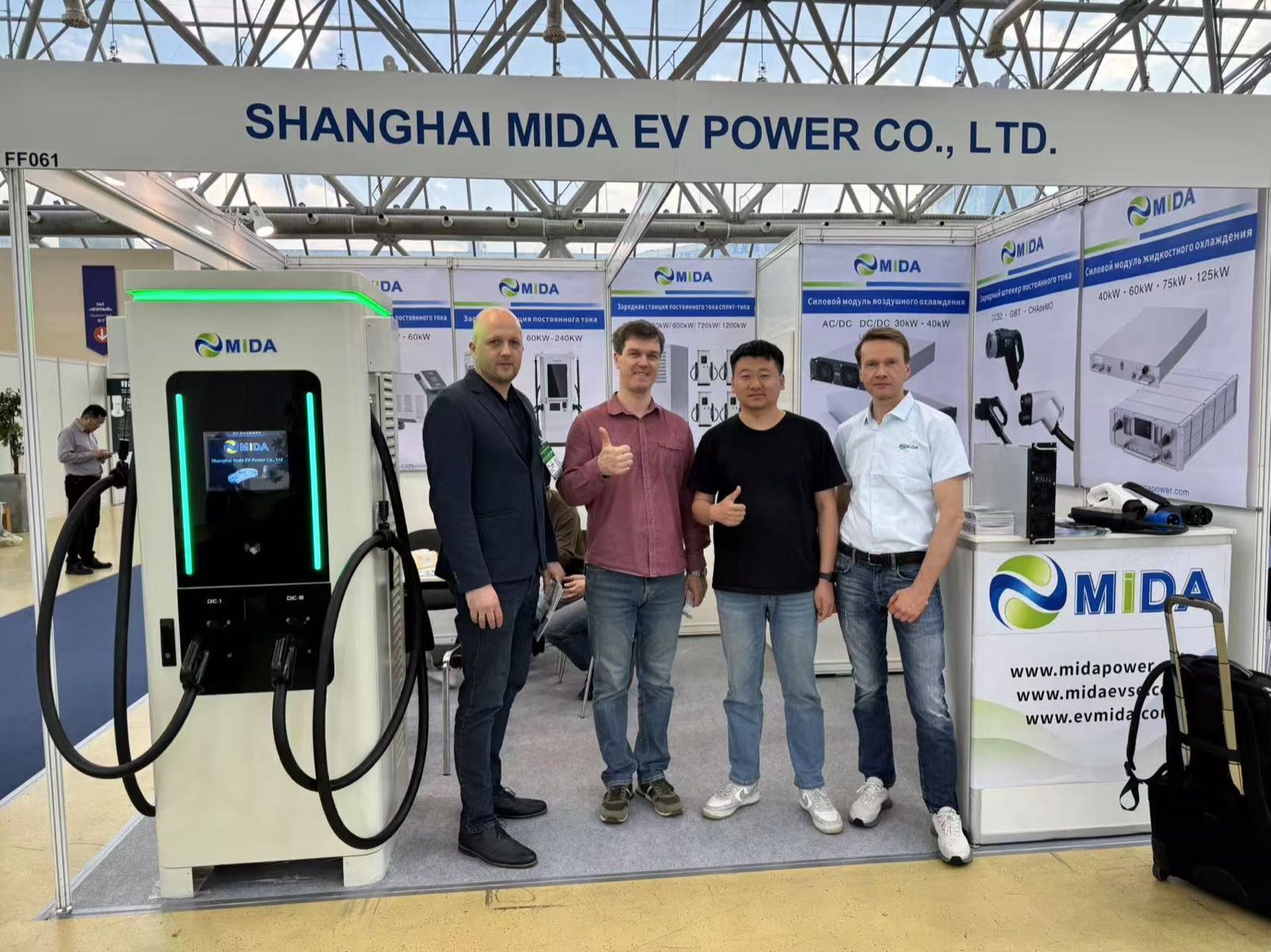
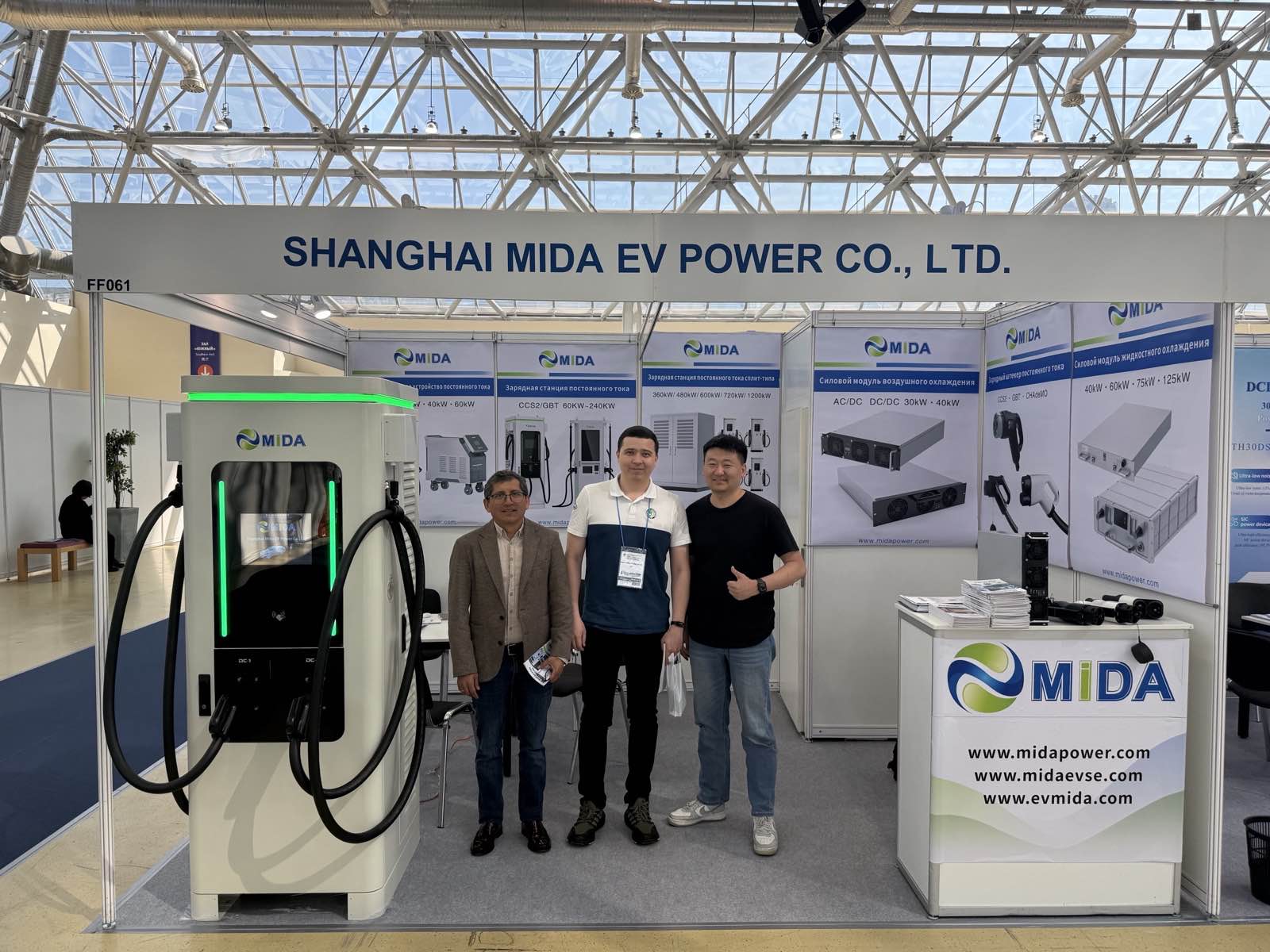
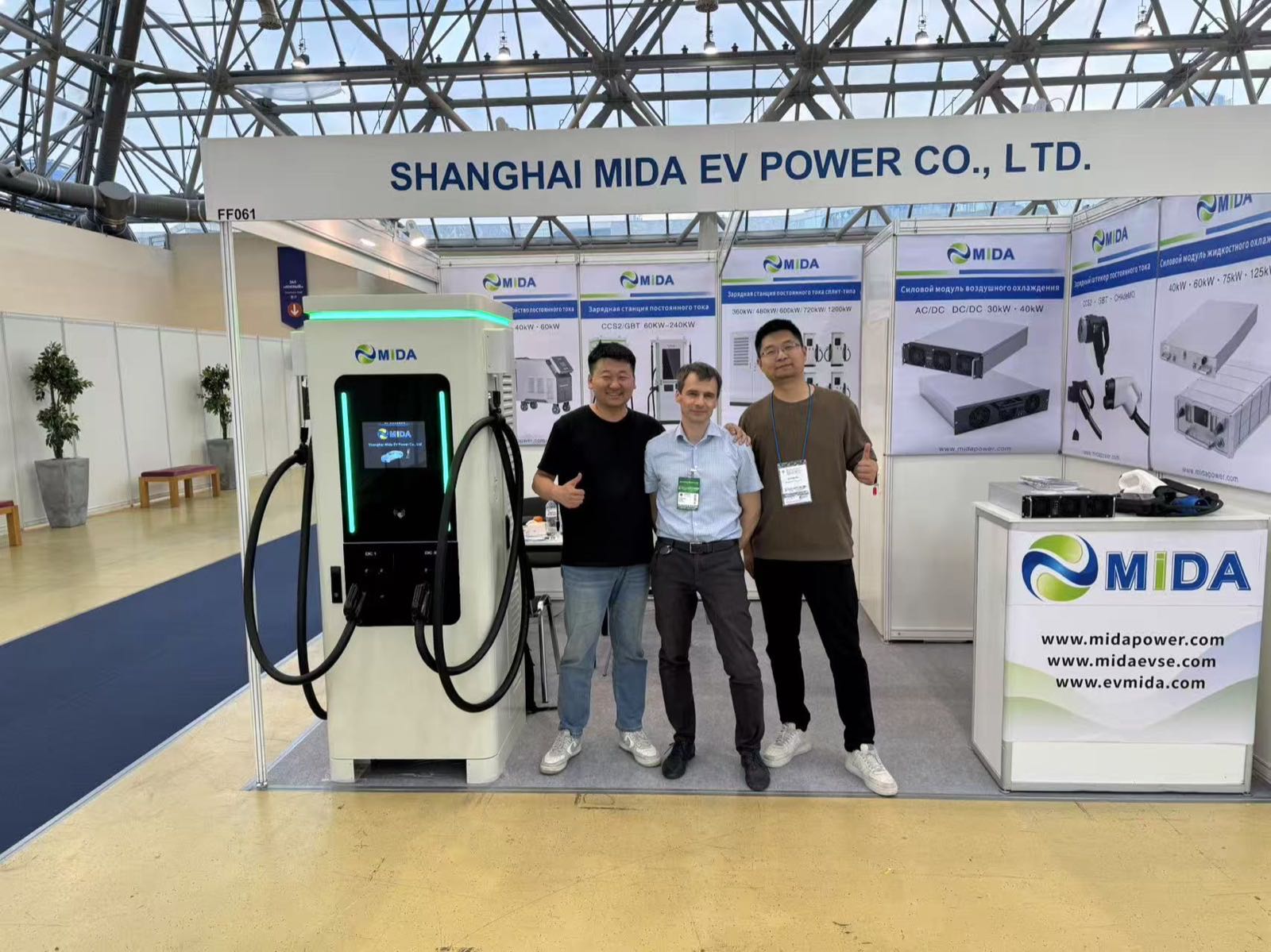
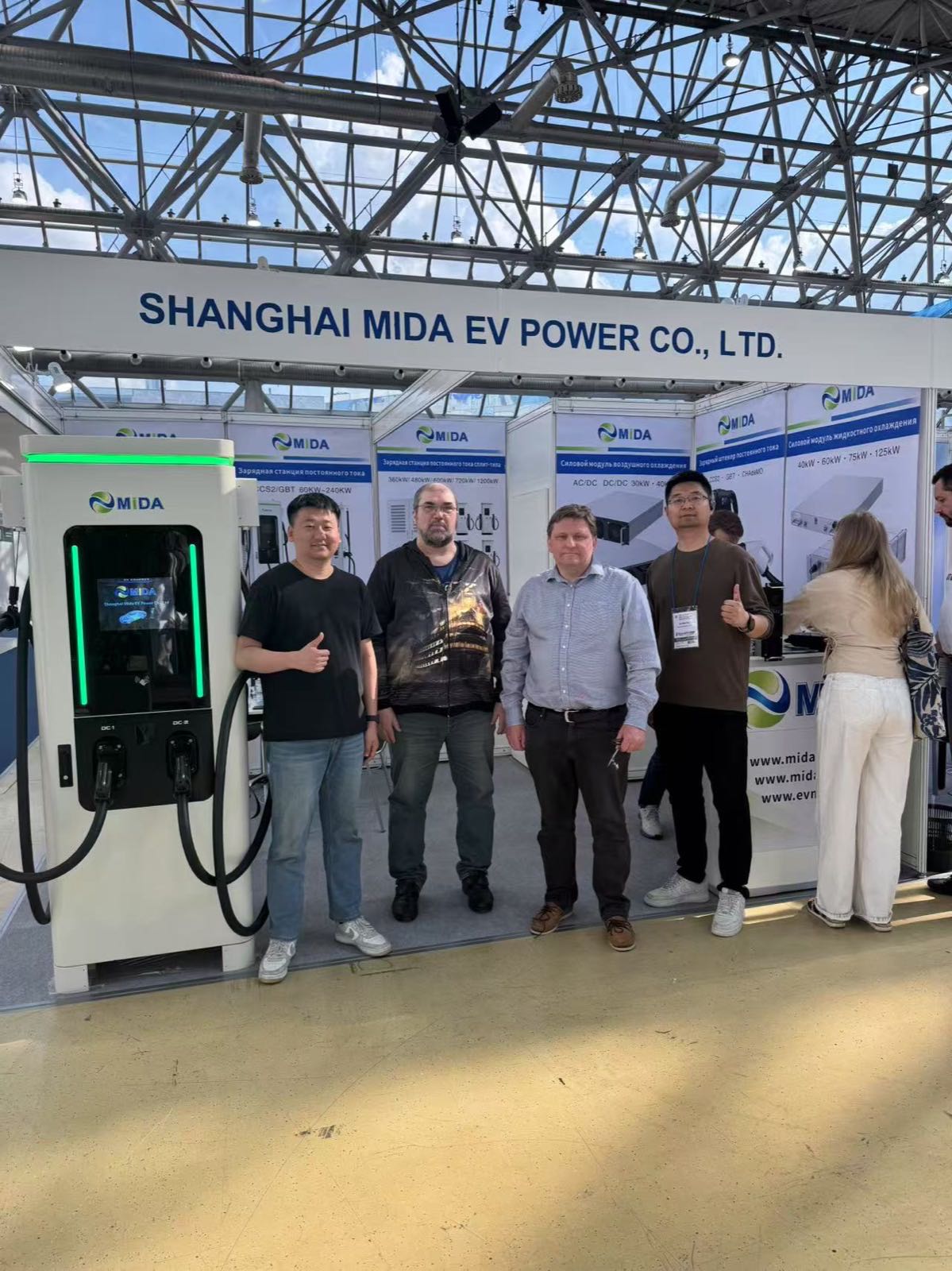
Among the international participants, Shanghai MIDA EV Power Co., Ltd was officially listed as an exhibitor at RENWEX 2025, reinforcing its strategic commitment to expanding its presence in the Eurasian EV charging market.
Company Overview
Shanghai MIDA EV Power Co., Ltd is a professional manufacturer and solution provider specializing in the development and production of electric vehicle charging infrastructure. The company focuses on delivering comprehensive EV charging solutions covering the entire ecosystem, including:
● AC EV chargers (3.7kW–22kW)
● DC fast charging stations (20kW–600kW+)
● Ultra-fast modular charging systems
● EV charging connectors and cables
● Power modules and control systems
● Portable and mobile charging solutions
● Integrated charging infrastructure systems
With strong engineering capabilities and continuous investment in research and development, MIDA has positioned itself as a global supplier capable of serving residential, commercial, and public charging markets.
Detailed Product Portfolio and Engineering Capabilities
At RENWEX 2025, MIDA’s product strategy reflects a clear focus on scalability, modularity, and adaptability to diverse market environments.
DC Fast Charging Systems
MIDA’s DC charging platform is designed for high-performance applications where fast energy replenishment is critical.
Key technical characteristics include:
● Output power range from 20kW to ultra-high power 600kW systems
● Modular architecture allowing flexible capacity expansion
● High-efficiency silicon carbide (SiC) power conversion technology
● Intelligent thermal management systems
● Multi-standard compatibility (CCS1, CCS2, GB/T, NACS, CHAdeMO)
● OCPP 1.6 / 2.0 backend communication support
These systems are suitable for highway charging stations, urban fast-charging hubs, logistics depots, and commercial fleet operators.
A key advantage of modular DC systems is their ability to reduce initial investment costs while enabling future scalability, which is particularly important in emerging markets like Russia.
AC Charging Solutions
MIDA’s AC charging portfolio is designed for widespread deployment in residential and commercial environments.
Features include:
● Power range from 3.7kW to 22kW
● Wall-mounted and pedestal installation options
● RFID, APP, and plug-and-charge authentication methods
● Smart load balancing capabilities
● Full OCPP compatibility for backend integration
AC chargers play a crucial role in supporting overnight charging and workplace charging scenarios, forming the foundation of distributed EV infrastructure.
Portable and Mobile Charging Systems
One of MIDA’s most distinctive product lines is its portable EV charging solutions.
These systems are designed for:
● Emergency roadside charging support
● Temporary charging deployments for events or construction sites
● Fleet maintenance operations
● Remote area energy supply flexibility
Advantages include:
● Plug-and-play deployment
● No permanent installation required
● Compatibility with multiple power inputs
● Compact and transportable design
This product category is particularly relevant in markets with underdeveloped charging infrastructure or high geographic dispersion, such as Russia and Central Asia.
EV Charging Components and Core Technologies
MIDA also manufactures key internal components, including:
● EV charging connectors (CCS, GB/T, NACS standards)
● High-current charging cables
● Power modules for DC systems
● Communication and control boards
● Thermal and protection systems
This vertical integration ensures:
● Improved cost efficiency
● Faster customization capability
● Stronger supply chain control
Market Relevance of MIDA Solutions in Russia
The Russian EV charging market presents a unique combination of challenges and opportunities.
Key Challenges:
● Extreme winter temperatures affecting equipment reliability
● Large geographical distances requiring highway charging networks
● Limited existing charging infrastructure
● Variable grid capacity across regions
● Government support for clean energy transition
● Increasing EV adoption in urban centers
● Strong demand for fast-charging solutions
● Strategic need for international technology providers
Key Opportunities:
MIDA’s product portfolio directly addresses these market conditions through:
❄️ Cold Climate Engineering
Equipment designed to maintain stable operation in sub-zero environments.
⚡ High-Power Fast Charging
Support for high-output DC systems suitable for commercial and highway applications.
Scalable Architecture
Modular systems that allow phased infrastructure deployment.
International Standard Compliance
Compatibility with global charging protocols ensures interoperability.
Industry Insights from RENWEX 2025
Several important industry trends emerged from RENWEX 2025:
1. Shift Toward High-Power Charging
There is increasing demand for 60kW–300kW+ charging systems.
2. Standardization Pressure
Interoperability between different EV brands and charging networks is becoming a priority.
3. Integration with Renewable Energy
Solar and hybrid systems are increasingly being considered for off-grid charging applications.
4. Importance of Service Ecosystems
Hardware alone is no longer sufficient; software, backend systems, and maintenance services are becoming essential.
Strategic Significance for MIDA
Participation in RENWEX 2025 represents more than a simple exhibition appearance for Shanghai MIDA EV Power. It reflects a broader strategic direction:
● Expansion into Eastern European and CIS markets
● Strengthening partnerships with local distributors
● Increasing brand visibility in government-linked energy projects
● Positioning as a full-system EV charging solution provider
The exhibition also provided valuable insights into local market requirements, enabling MIDA to further optimize its product design and deployment strategies.
Conclusion
RENWEX 2025 reaffirmed its position as a central platform for renewable energy and electric mobility development in Russia and the wider Eurasian region. The exhibition highlighted the accelerating transformation of the energy sector, particularly in the areas of EV charging infrastructure, smart grid integration, and renewable energy deployment.
For Shanghai MIDA EV Power Co., Ltd, participation in RENWEX 2025 represents a significant milestone in its global expansion strategy. With a comprehensive portfolio of AC and DC charging solutions, portable systems, and core charging components, MIDA is well-positioned to contribute to the development of next-generation EV infrastructure in Russia and other emerging markets.
As the global transition toward electrified transportation continues to accelerate, platforms like RENWEX will play an increasingly important role in connecting technology providers with market opportunities, shaping the future of sustainable mobility across regions.
 |
 |
Post time: May-07-2026
