
 Portable EV Charger
 Home EV Wallbox
 DC Charger Station
 EV Charging Module
 DC Charging Connector
 EV Accessories


1250A 1500A MCS Charging Socket Megawatt Vehicle Inlet
1000A 1500A Liquid Cooling MCS DC Charging Cable
What is MCS charging cable ?
The megawatt level charging system (MCS) is a new high-power charging solution with a charging speed much higher than traditional combined charging systems (CCS). It is specifically developed for heavy-duty pure electric vehicles, including trucks and buses.
YGC1000 and YGC1500 Megawatt Charging system is based on midapower’s market-leading distributed charging system and offers maximum flexibility during the upcoming MCS transition phase.IEC 61851-1 , IEC TS61851-23-3and IECTS63379 for connection devices for conductive charging of electric vehicles .
What is a MCS charger Connector?
The Megawatt Charging System (MCS Connector) is a new, high-power charging solution, with the capacity to deliver significantly higher charging speeds than conventional Combined Charging Systems (CCS).
An MCS (Megawatt Charging System) charger socket is a new, high-power charging standard for heavy-duty battery-electric vehicles like trucks and buses. It is designed to deliver up to 3.75 megawatts of power, which can charge large batteries from 20% to 80% in around 30 minutes, making long-haul electric transport practical. The MCS socket is a robust connector with integrated cooling to handle the high power loads safely and efficiently.
What is the MCS communication protocol?

1000A 1500A MCS Charging Socket Megawatt Charging System
1000A 1500A MCS (Megawatt Charging System) charging cable is a high-power charging solution designed specifically for heavy-duty electric vehicles such as trucks and buses, capable of providing up to several megawatts of power, significantly accelerating charging speed. These charging cables use dedicated connectors with sturdy and durable structures, and typically require active heat dissipation during high-power operation to safely and efficiently manage high currents.
Key features of 1000A 1500A MCS charging cable
High power capacity: The MCS charging cable is designed to handle extremely high power, with a current rating of up to 3000 amperes and a power output of up to 3.75 megawatts.
Specially designed for heavy-duty vehicles: This system is specifically developed for large pure electric vehicles, such as long-distance trucks, buses, and other heavy-duty applications, such as electric ships and airplanes.
Durable and sturdy: MCS charging cables are designed to operate in harsh industrial environments, and many connectors have protection measures such as IP67 protection level.
Cable and connector cooling: Higher power levels (e.g. over 1 megawatt) require active cooling of connectors and cables to prevent overheating during charging.
Unique connector: The MCS connector is different from the combination charging system (CCS) used for passenger cars, although many electric trucks are now equipped with both interfaces.


Leave Your Message:
Related Products
-
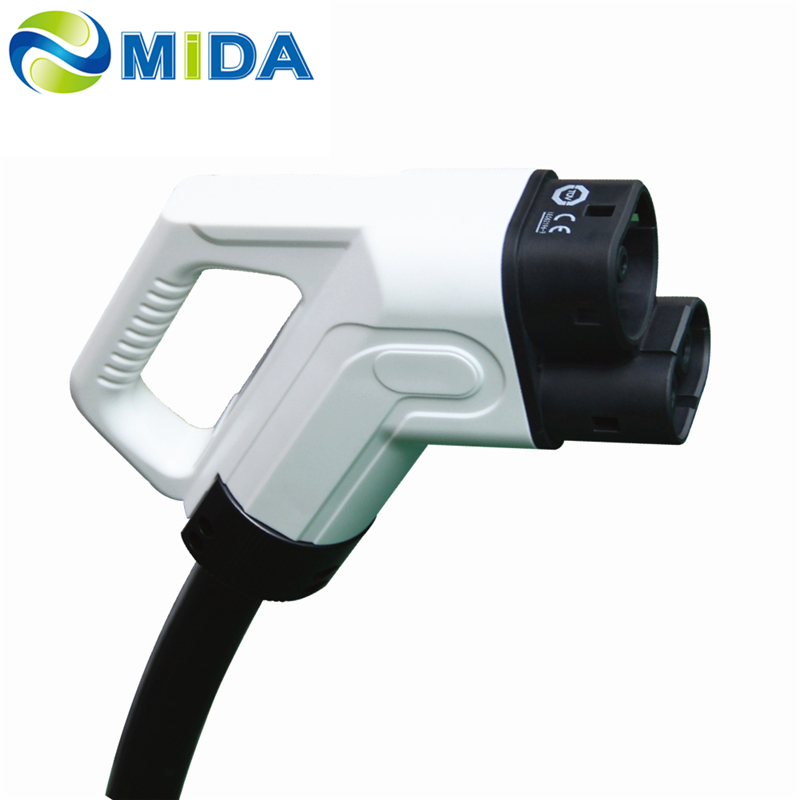
300A 350A CCS2 Gun Combo2 Connector EV Charging...
-
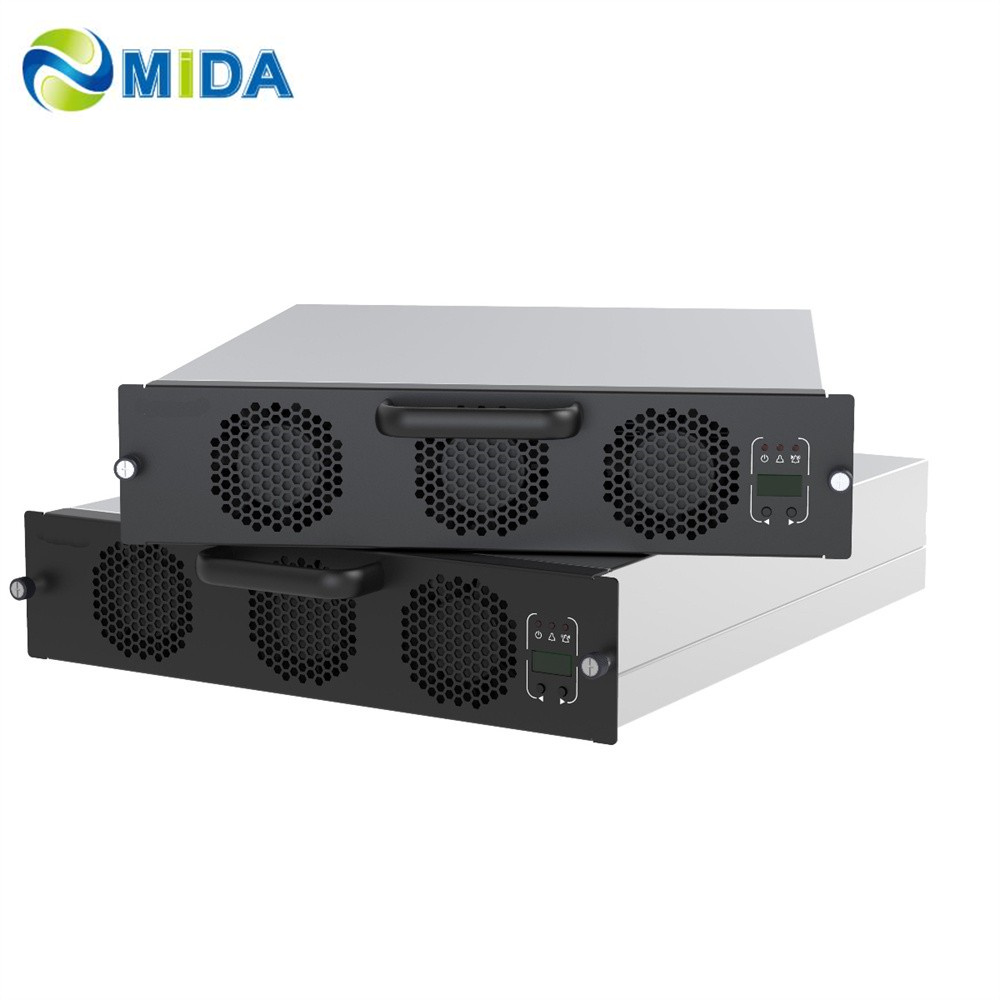
30kw 40kw Power Supply Module Charging Rectifie...
-

500A 600A CCS 2 GBT Charging Cable Liquid Cooli...
-

500A 600A CCS 2 Liquid Cooled Cable with Liquid...
-

1000A 1500A Liquid Cooling MCS Gun Megawatt Cha...
-

1000A 1500A MCS Charging Connector Megawatt Cha...
