
 Portable EV Charger
 Home EV Wallbox
 DC Charger Station
 EV Charging Module
 DC Charging Connector
 EV Accessories
How to recharge electric heavy-duty trucks: charging & battery swapping?
Charging versus Battery Swapping:
For years, the debate over whether electric heavy-duty trucks should adopt charging or battery swapping technology has been one where each side has its own valid arguments. At this symposium, however, experts reached a consensus: both charging and battery swapping possess distinct advantages and disadvantages. The choice between them hinges entirely on practical scenarios, specific requirements, and cost calculations. The two approaches are not mutually exclusive but rather complementary, each suited to different operational contexts. The primary advantage of battery swapping lies in its rapid energy replenishment, completed within mere minutes, significantly boosting operational efficiency. However, it also presents notable drawbacks: substantial initial investment, cumbersome administrative procedures, and inconsistencies in battery warranty standards. Battery packs from different manufacturers cannot be interchanged at the same swapping station, nor can a single pack be used across multiple stations.
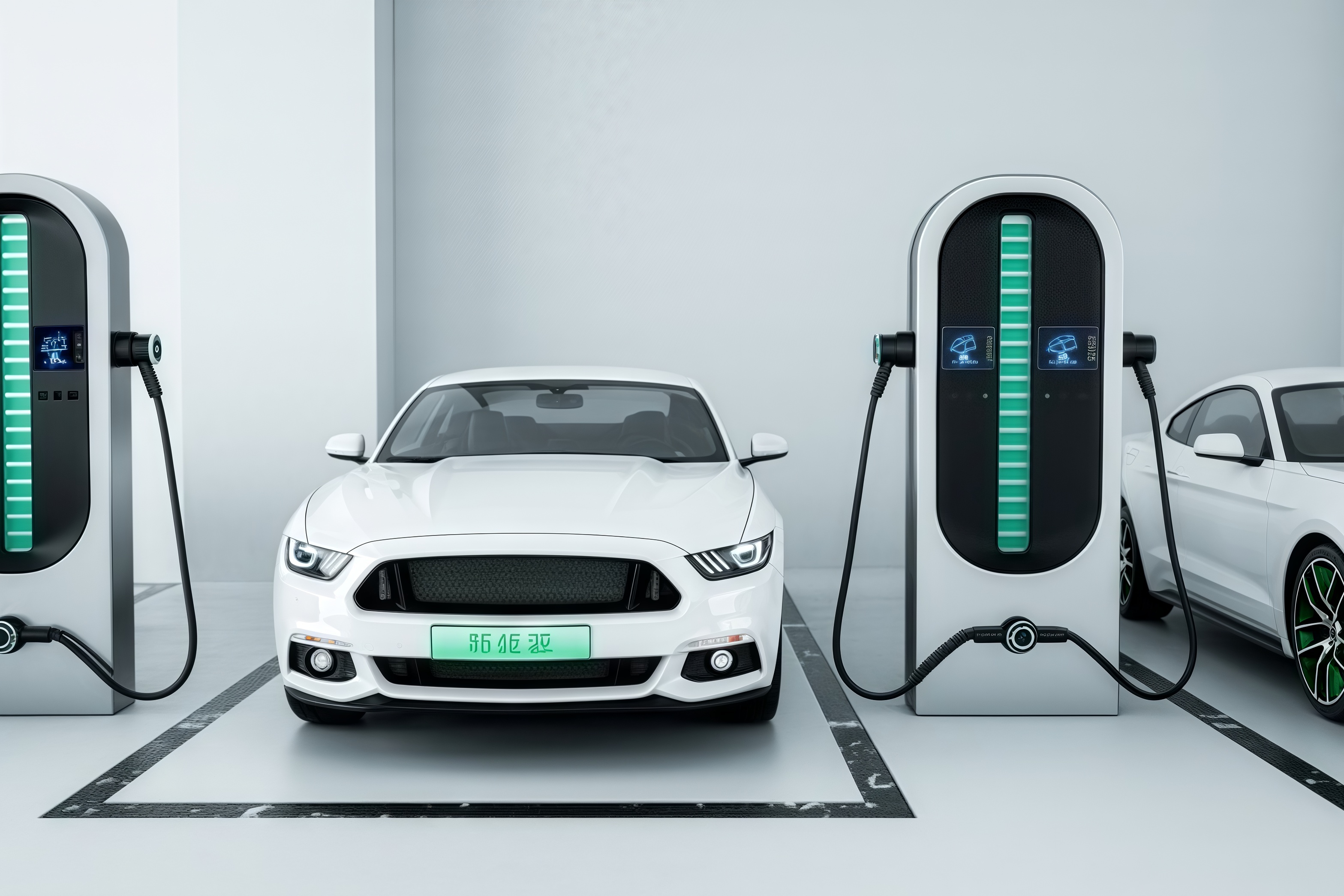
Therefore, if your fleet operates on relatively fixed routes, prioritises operational efficiency, and possesses a certain scale, the battery swapping model presents a sound choice. The charging model, conversely, offers unified interface standards. Provided they meet national standards, vehicles of any brand can be charged, ensuring greater compatibility and lower station construction costs. However, charging speeds are considerably slower. Current mainstream dual- or quad-port simultaneous charging configurations still require approximately one hour for a full charge. Furthermore, vehicles must remain stationary during charging, which impacts fleet operational efficiency. Market data indicates that among pure-electric heavy-duty trucks sold today, seven out of ten utilise charging systems, while three employ battery swapping.
This indicates that battery swapping faces greater limitations, while charging offers broader applicability. The specific choice should be determined by the actual operational requirements of the vehicle. Fast Charging vs. Ultra-Fast Charging: Standards and Vehicle Compatibility Are Key At this point, one might ask: what about megawatt ultra-fast charging? Indeed, numerous megawatt ultra-fast charging devices are already available on the market. However, the national standard for megawatt ultra-fast charging is still under development. Currently, what is being promoted are enterprise standards based on the national standard. Moreover, whether a vehicle can handle ultra-fast charging depends not only on whether the charging station can provide sufficient power, but more critically on whether the vehicle’s battery can withstand it.
Currently, mainstream heavy-duty truck models typically feature battery packs ranging from 300 to over 400 kWh. If the aim is to extend the vehicle’s range to tap into larger markets, it becomes necessary to install more batteries while also enabling rapid charging. Consequently, heavy-duty truck manufacturers present at the conference indicated they are rapidly deploying fast-charging and ultra-fast-charging batteries suitable for commercial vehicles. Development Path and Market Penetration of Electric Heavy-Duty Trucks In its early stages, the electrification of heavy-duty trucks primarily followed the battery-swapping model. Subsequently, electric heavy-duty trucks transitioned from enclosed scenarios involving internal short-distance transfers to fixed short-range scenarios. Moving forward, they are poised to enter open scenarios involving medium-to-long-distance operations.
Statistics reveal that while electric heavy-duty trucks achieved an average penetration rate of merely 14% in 2024, this figure surged to over 22% by the first half of this year, representing a year-on-year increase exceeding 180%. However, their primary applications remain concentrated in medium-to-short-distance sectors, such as resource transportation for steel mills and mines, construction waste logistics, and sanitation services. In the medium-to-long-haul trunk logistics sector, new energy heavy-duty trucks account for less than 1% of the market, despite this segment comprising 50% of the entire heavy-duty truck industry.
Consequently, medium-to-long-haul applications represent the next frontier for electric heavy-duty trucks to conquer. Core Constraints on Electric Heavy-Duty Truck Development Both electric heavy-duty trucks and their charging/battery-swapping stations share a fundamental characteristic: they are production tools prioritising efficiency and cost-effectiveness. To extend range, electric trucks require more batteries. However, increased battery capacity not only raises vehicle costs but also reduces payload capacity due to the batteries’ substantial weight, thereby impacting fleet profitability. This necessitates careful battery configuration. This challenge highlights current shortcomings in electric truck charging infrastructure, including insufficient station numbers, inadequate geographical coverage, and inconsistent standards.
Industry Initiative:
Collaborative Advancement of Industrial Development
This seminar convened representatives from vehicle manufacturers, battery producers, charging/swapping enterprises, and logistics operators to collectively address industry challenges. It launched the Heavy-Duty Truck Ultra-Fast Charging and Rapid Swapping Collaborative Initiative, establishing an open, non-exclusive platform for stakeholders to exchange insights and coordinate efforts. Concurrently, a manifesto was issued to accelerate the industrial development of ultra-fast charging and rapid swapping infrastructure for pure-electric heavy-duty trucks. Industrial progress fears not problems, but the absence of solutions.
Consider the evolution of passenger vehicles over the past decade: previously, the prevailing mindset prioritised maximising battery capacity for extended range. Yet as charging infrastructure matures, excessive battery capacity becomes unnecessary. I believe electric heavy-duty trucks will follow a similar trajectory. As charging facilities proliferate, an optimal battery configuration will inevitably emerge.
Post time: Sep-13-2025
