
 Portable EV Charger
 Home EV Wallbox
 DC Charger Station
 EV Charging Module
 DC Charging Connector
 EV Accessories
Saudi Arabia recently announced a permanent halt to car imports from countries that do not meet the safety standards of Saudi Arabia and other Gulf countries. This policy is a major step in the Gulf Cooperation Council (GCC) to promote regional standardization, aiming to improve vehicle safety, adapt to extreme climate conditions and promote internal trade.
 Safety and Market ProtectionSaudi Arabia has over 20 million vehicles, ranking among the highest per capita in the world. However, imported vehicles previously faced inconsistent technical standards. This policy aims to eliminate substandard, older vehicles (such as used cars over five years old) and ensure the quality of new vehicles through the GCC (Gulf Vehicle Conformity Certificate) certification mechanism. Furthermore, Saudi Arabia is attracting compliant businesses through a low 5% tariff and VAT adjustments, while also promoting the development of local industries. For example, Saudi Arabia is collaborating with Geely and Renault on new energy vehicle projects.
Certification Process and Challenges
Cars exported to Saudi Arabia must complete three levels of certification: GCC certification requires passing 82 GSO (Gulf Standardization Organization) standard tests at a GSO-accredited laboratory, covering safety, emissions, and electromagnetic compatibility. The certificate is valid for one year. SASO certification includes additional requirements specific to the Saudi market, such as left-hand drive configuration and Arabic labeling. The SABER certification online system reviews the Product Certificate (PC) and Batch Certificate (SC), requiring submission of technical documentation and a factory audit report.
Failed certification vehicles will be intercepted by customs. For example, Qatar has banned the sale of non-compliant new cars since 2025, with a transition period until the end of 2025.
Impact on the Global Market: Trade patterns reshape opportunities for Chinese new energy vehicle companies. Deep customization for high-temperature environments: Saudi Arabia’s extreme temperatures exceeding 50°C and dusty conditions require enhanced battery thermal management systems and air conditioning cooling efficiency. For example, during a 48-hour high-temperature cycle test, liquid cooling technology can control battery temperature differences to within ±2°C. Furthermore, the bodywork requires corrosion-resistant coatings (such as nano-ceramic materials) and dust filters to ensure the durability of the vehicle and its components in desert conditions.
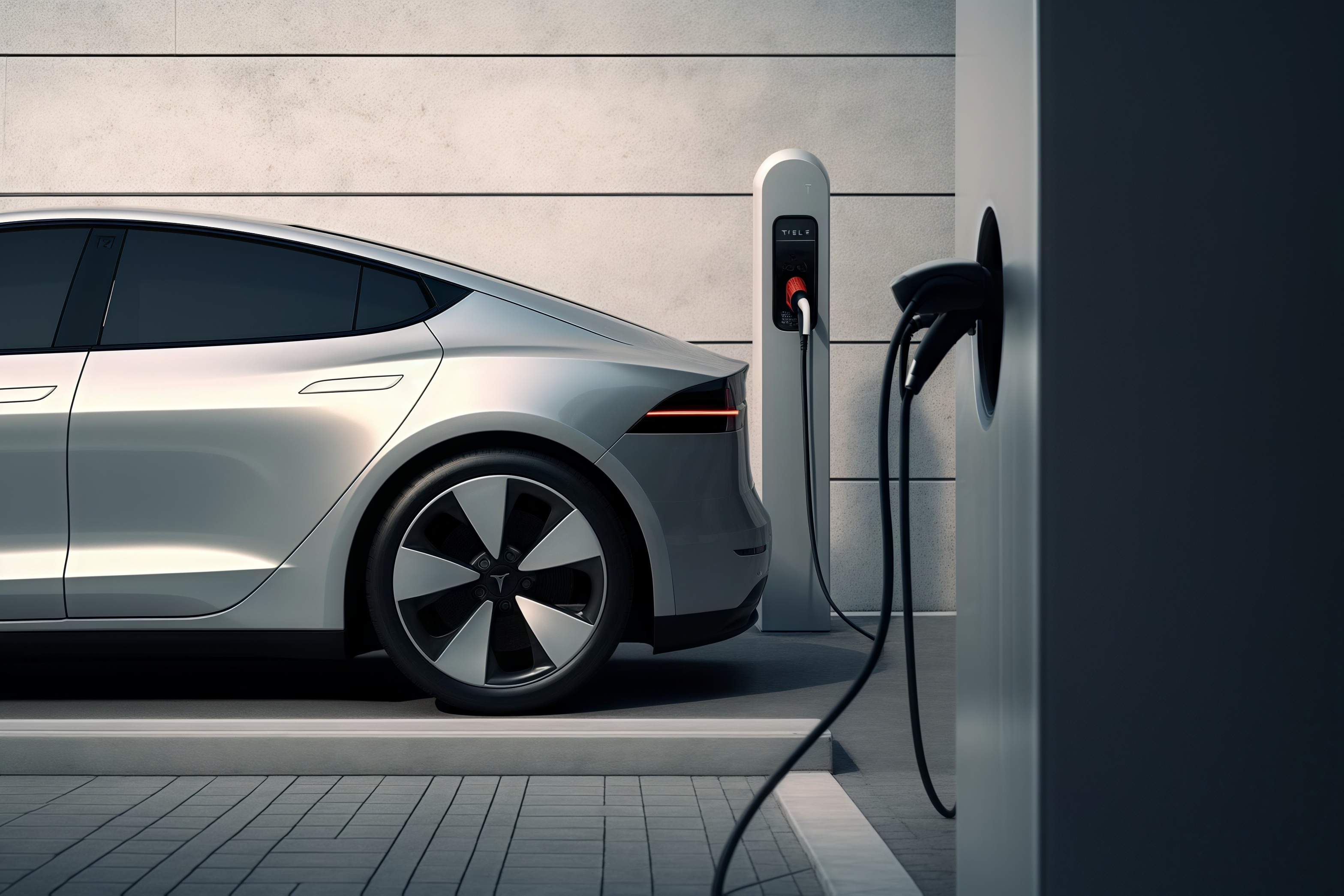 Collaborative construction of charging infrastructure, integrated photovoltaic, energy storage, and charging solutions: Leveraging Saudi Arabia’s abundant solar resources, an integrated “photovoltaic + energy storage + charging” model is being implemented. PV charging stations are being built, utilizing solar power during the day and energy storage systems at night to provide power, enabling zero-carbon charging. Liquid-cooled supercharging stations, suitable for high-temperature environments, are being deployed at gas stations, enabling a 10-minute recharge and a range of over 300 kilometers. This public charging infrastructure is being expanded to cover highway fast-charging networks and major transportation arteries.
Policy Subsidies and Regional Impact: Saudi Arabia offers car purchase subsidies (up to 50,000 Saudi Riyals / approximately 95,000 RMB) and VAT exemptions. Through partnerships with local dealers, direct subsidy reductions and exemptions are available upon purchase, shortening users’ capital turnover. Using Saudi Arabia as a hub, the company radiates to neighboring GCC countries. GCC certification allows coverage of markets such as the UAE and Kuwait, enjoying zero tariffs within the region. In the long term, the company can expand into smart cars, leveraging Saudi Arabia’s abundant market purchasing power to seize the next generation of technological leadership. This represents an upgrade from a single sales force to full industry chain participation.
Post time: Sep-13-2025
