
 Portable EV Charger
 Home EV Wallbox
 DC Charger Station
 EV Charging Module
 DC Charging Connector
 EV Accessories
What is PnC and related information about the PnC ecosystem
I. What is PnC? PnC:
Plug and Charge (commonly abbreviated as PnC) offers electric vehicle owners a more convenient charging experience. The PnC function enables charging and billing for electric vehicles simply by inserting the charging gun into the vehicle’s charging port, requiring no additional steps, physical cards, or app authorisation verification. Additionally, PnC enables charging at stations outside the vehicle’s usual network, offering significant advantages for those undertaking long-distance journeys. This capability proves particularly appealing in markets such as the European Union and the United States, where owners frequently utilise their electric vehicles for holiday travel across multiple countries and regions.
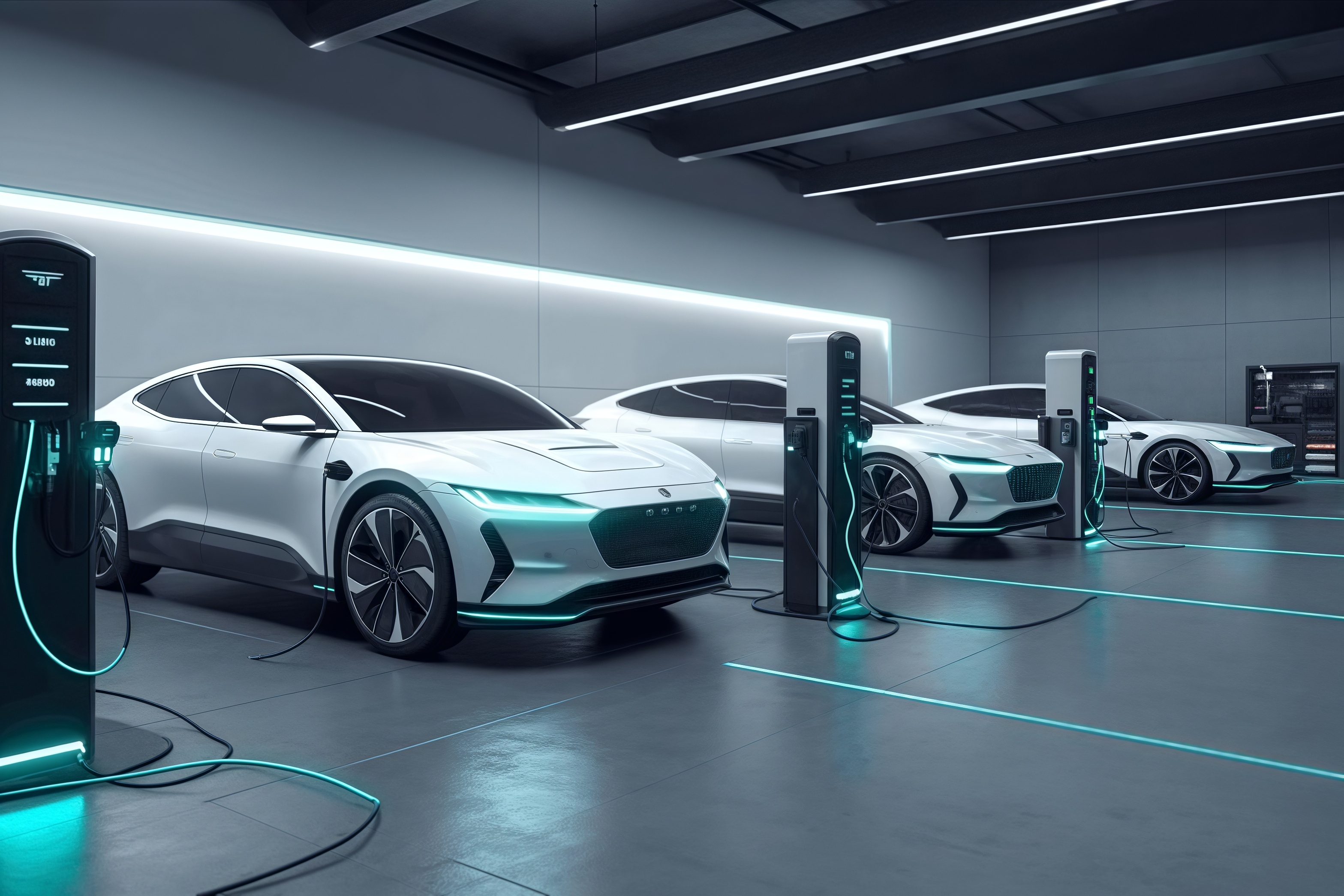
II. Current Status and Ecosystem of PnC Presently, the PnC functionality managed in accordance with the ISO 15118 standard represents the safest charging solution following the widespread adoption of electric vehicles. It also constitutes the leading-edge technology and ecosystem for the future charging market.
Plug and Charge is currently undergoing mainstream adoption in Europe and North America, with the number of Plug and Charge-enabled electric vehicles steadily increasing. Overseas industry reports indicate that as more major European and North American original equipment manufacturers establish Plug and Charge ecosystems and integrate Plug and Charge services into their electric vehicles, the number of Plug and Charge-equipped electric vehicles on the road tripled throughout 2023, achieving a 100% growth milestone from Q3 to Q4. Major original equipment manufacturers from Europe, North America, and Asia are committed to delivering an exceptional charging experience for their customers, with more electric vehicle owners seeking PnC functionality in their purchased vehicles. The number of public charging points utilising PnC has surged. Hubject reports indicate an increase in public charging sessions using PnC functionality across Europe and North America in 2022. Between Q2 and Q3, successful authorisations doubled, with this growth rate sustained throughout Q4 of the same year. This indicates that once electric vehicle drivers discover the advantages of PnC functionality, they prioritise charging networks supporting PnC for their public charging needs. As major CPOs join PKI, the number of electric vehicle charging networks supporting PnC continues to grow. (PKI: Public Key Infrastructure, a technology for verifying user devices in the digital realm, functioning as a trust-based platform) An increasing number of CPOs are now able to meet the demand for PnC-enabled public charging points. 2022 marked a year of innovation for several major CPO participants. Europe and America have demonstrated their leadership in EV charging innovation by implementing PnC technology across their networks. Aral, Ionity, and Allego – all operating extensive charging networks – are currently launching and responding to PnC services.
As multiple market participants develop PnC services, collaboration between different stakeholders is crucial to achieve standardisation and interoperability. Through collaboration, eMobility is striving to establish common standards and protocols, ensuring different PKIs and ecosystems can work together and in parallel for the benefit of the industry. This benefits consumers across different networks and suppliers. By 2022, four primary interoperability implementations had been established: ISO 15118-20 provides maximum flexibility for electric vehicle drivers. To ensure seamless communication between electric vehicles and charging stations, the PnC ecosystem must be fully equipped to handle both ISO 15118-2 and ISO 15118-20 protocol versions. ISO 15118-2 is the current global standard governing direct communication between electric vehicles and charging stations. It specifies communication protocols encompassing standards such as authentication, billing, and authorisation.
ISO 15118-20 is the updated successor standard to ISO 15118-2. Its implementation in the market is anticipated within the coming years. It is designed to provide an expanded set of functionalities, such as enhanced communication security and bidirectional power transfer capabilities, which can be utilised for Vehicle-to-Grid (V2G) standards.
Currently, solutions based on ISO 15118-2 are commercially available globally, whilst solutions based on the new ISO 15118-20 standard will be rolled out in volume over the coming years. During the transitional period, the PnC ecosystem must be capable of creating and applying plug-in and charging data for both specifications simultaneously to ensure interoperability. PnC enables secure automatic identification and charging authorisation upon EV connection. This technology employs TLS-encrypted PKI public key infrastructure authorisation, supports asymmetric key algorithms, and utilises certificates stored within EVs and EVSEs as defined by ISO 15118. Following the release of the ISO 15118-20 standard, widespread adoption will require time. However, leading domestic new energy enterprises expanding overseas have already begun strategic deployment. PnC functionality simplifies the charging experience, rendering practices such as credit card payments, scanning QR codes via applications, or relying on easily misplaced RFID cards obsolete
Post time: Sep-13-2025
