
 Portable EV Charger
 Home EV Wallbox
 DC Charger Station
 EV Charging Module
 DC Charging Connector
 EV Accessories
United States: Restarting the electric vehicle charging station construction subsidy program
The Trump administration released new guidance outlining how states can use federal funds to build electric car chargers after a federal court blocked an earlier move to freeze the program.
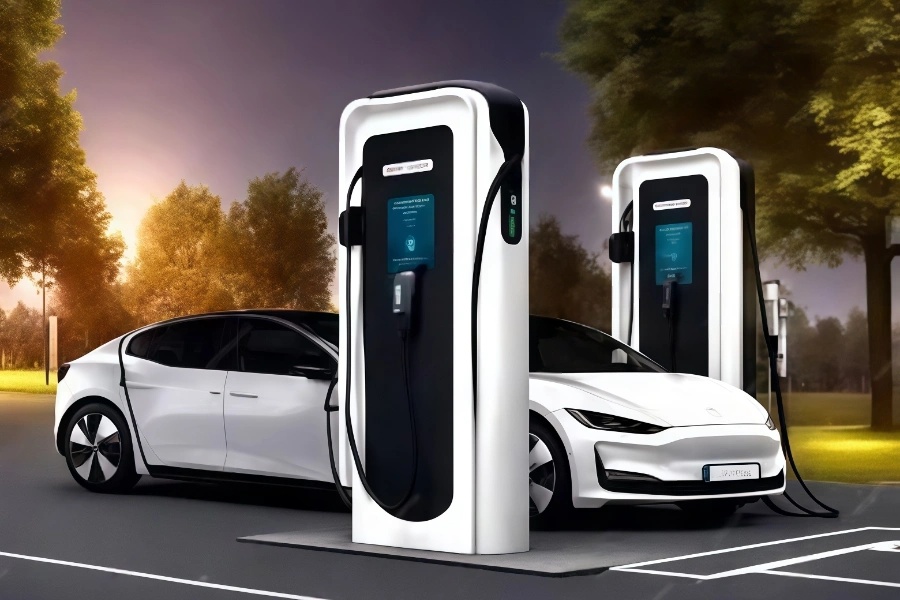
The US Department of Transportation said the new guidelines will streamline applications and cut red tape to access the programs $5 billion in funding for charging infrastructure that is set to wind down in 2026. The updated policy eliminates earlier requirements, such as ensuring disadvantaged communities have access to EV chargers and promoting the use of union labor in installation.
Background and Objectives of the Plan
The Bipartisan Infrastructure Law:
Enacted in November 2021, this legislation provides a total of US$7.5 billion in funding for electric vehicle charging infrastructure development across the United States.
Objectives:
Establish a nationwide electric vehicle charging network comprising 500,000 charging stations by 2030, ensuring reliable and convenient charging services along major highways.
Key Programme Components
NEVI (National Electric Vehicle Infrastructure):
This programme provides $5 billion in funding to states for constructing a charging network spanning the national highway system.
Phased Funding Discontinuation:
The US government has indicated that the $5 billion allocation for charging infrastructure will be phased out by 2026, prompting states to accelerate applications and utilisation of these funds.
New Adjustments and Improvements
Streamlined Application Process:
Updated guidelines issued by the US Department of Transportation will simplify the process for states to apply for charging station construction funding, reducing bureaucratic hurdles.
Standardisation:
To ensure consistency and convenience within the charging network, new standards mandate minimum numbers and types of charging stations, unified payment systems, and the provision of real-time information on charging speeds, pricing, and locations.
Challenges and Actions
Slow Construction Pace:
Despite substantial funding, the deployment of charging networks has consistently fallen short of projections, creating a gap between charging infrastructure and the rapid adoption of electric vehicles.
EVC RAA Programme:
To address reliability and accessibility concerns, the Electric Vehicle Charger Reliability and Accessibility Accelerator (EVC RAA) programme has been launched. This initiative aims to repair and upgrade non-functional charging stations.
Post time: Sep-13-2025
