
 Portable EV Charger
 Home EV Wallbox
 DC Charger Station
 EV Charging Module
 DC Charging Connector
 EV Accessories
The choices made in electric vehicle charging programmes will have significant implications for climate, energy costs and future consumer behaviour. In North America, load management is key to the scalable growth of transport electrification. Designing and implementing utility-level electric vehicle charging management strategies presents challenges—particularly in the absence of charging habits and charging data.
A study by Franklin Energy (a clean energy transition company serving North America) indicates that between 2011 and 2022, nearly 5 million light-duty electric vehicles were sold in the United States. However, usage surged by 51% in 2023 alone, with 1.4 million electric vehicles sold that year. This figure is projected to reach 19 million by 2030. By that time, demand for charging ports in the US will exceed 9.6 million, with grid consumption increasing by 93 terawatt-hours.
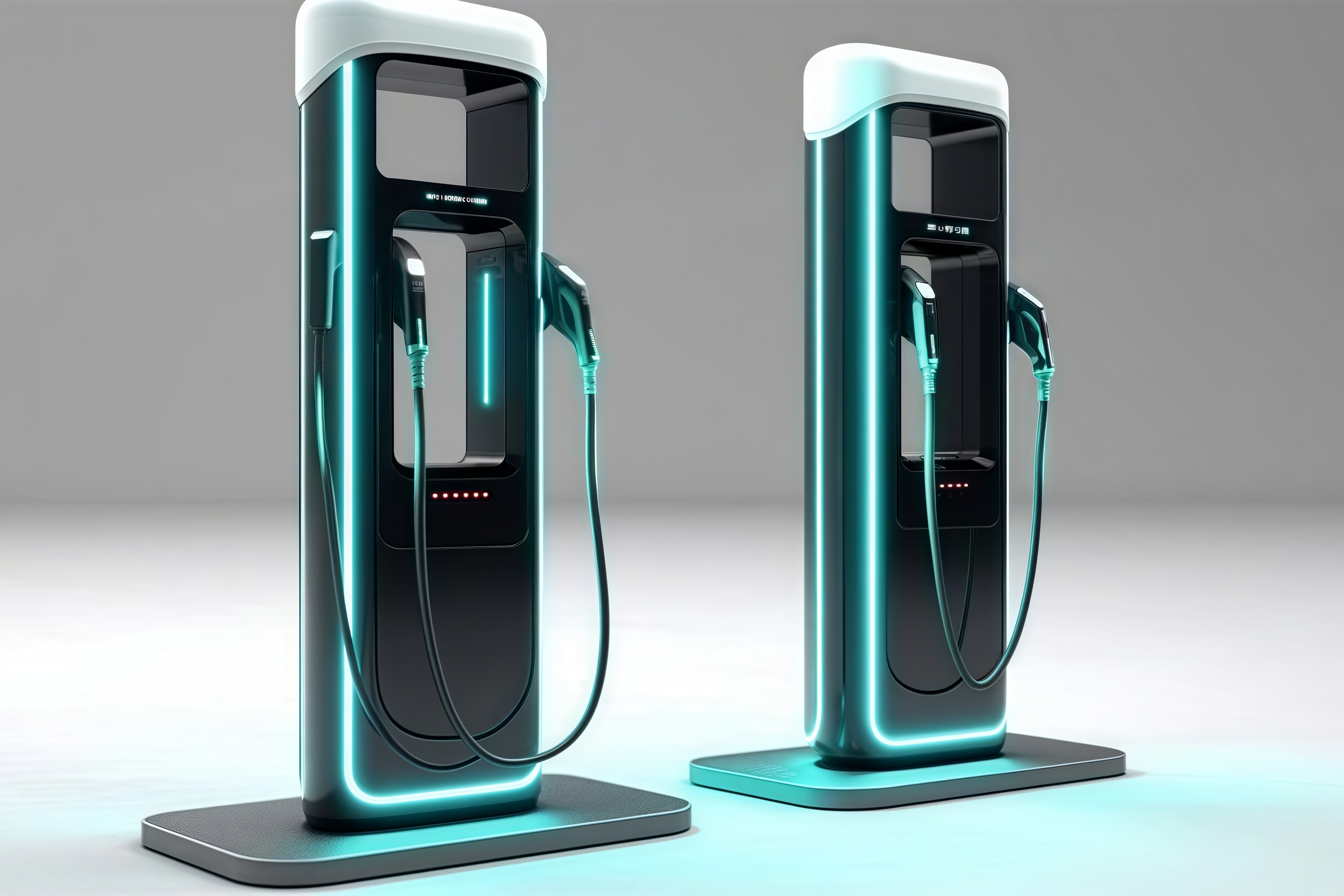
For the American grid, this poses a challenge: if unmanaged, the growing electricity demand could seriously threaten grid stability. To avoid this outcome, manageable charging patterns and optimised grid demand from end-users become essential for ensuring a more stable and reliable power supply. This is also the foundation for the continued growth of electric vehicle adoption in North America.
Building upon this, Franklin Energy conducted extensive research into customer preferences and electric vehicle charging practices. This encompassed data analysis of charging behaviours and peak usage times, a review of existing utility-managed charging programme designs, and a comparative assessment of available demand response impacts. A statistically significant survey was also undertaken among electric vehicle owners and recent purchasers to determine their charging practices, preferences, and perceptions of standard utility-managed charging schemes. Leveraging these insights, utilities can develop tailored solutions aligned with customer needs, such as optimising charging patterns and implementing dynamic pricing models to incentivise off-peak charging. These strategies will not only address consumer concerns but also enable utilities to better balance grid loads, thereby supporting grid stability and enhancing the customer experience.
Research Findings: First-Generation Electric Vehicle Owners
- 100% of surveyed electric vehicle owners charge their vehicles at home (Level 1 or Level 2);
- 98% of potential electric vehicle buyers also indicate they plan to charge at home;
- 88% of electric vehicle owners own their own property, with 66% residing in detached houses;
- 76% of potential EV buyers own their own property, with 87% residing in detached or semi-detached homes;
- 58% are prepared to invest between $1,000 and $2,000 to purchase and install a Level 2 charger;
Common pain points for users:
- Suitable locations for installing secondary chargers and any requirements for neighbourhood or local government permits;
- Whether their electricity meter capacity will suffice after charger installation.
With the arrival of the next generation of buyers – increasingly electric vehicle purchasers who are not detached homeowners – public, workplace, multi-unit and commercial electric vehicle charging solutions are becoming increasingly vital.
Charging frequency and timing:
Over 50% of respondents stated they charge (or plan to charge) their vehicles five times or more weekly; 33% charge daily or intend to do so; more than half charge between 10pm and 7am; approximately 25% charge between 4pm and 10pm; daily charging needs are typically met within two hours, yet many drivers charge excessively frequently.
Post time: Sep-13-2025
