
 Portable EV Charger
 Home EV Wallbox
 DC Charger Station
 BESS Charging Station
 V2G V2H V2V V2L
 EV Charging Module
 DC Charging Connector
 EV Accessories
Electric Bus Pantograph Up (Roof-Mounted) System: Technical Overview
The “Pantograph Up” configuration, often referred to as a “Bottom-Up” system, is a high-power charging solution where the motorized pantograph is permanently integrated onto the bus roof. Unlike the “Pantograph Down” version, the roadside infrastructure in this setup remains passive, while the vehicle actively initiates the connection.
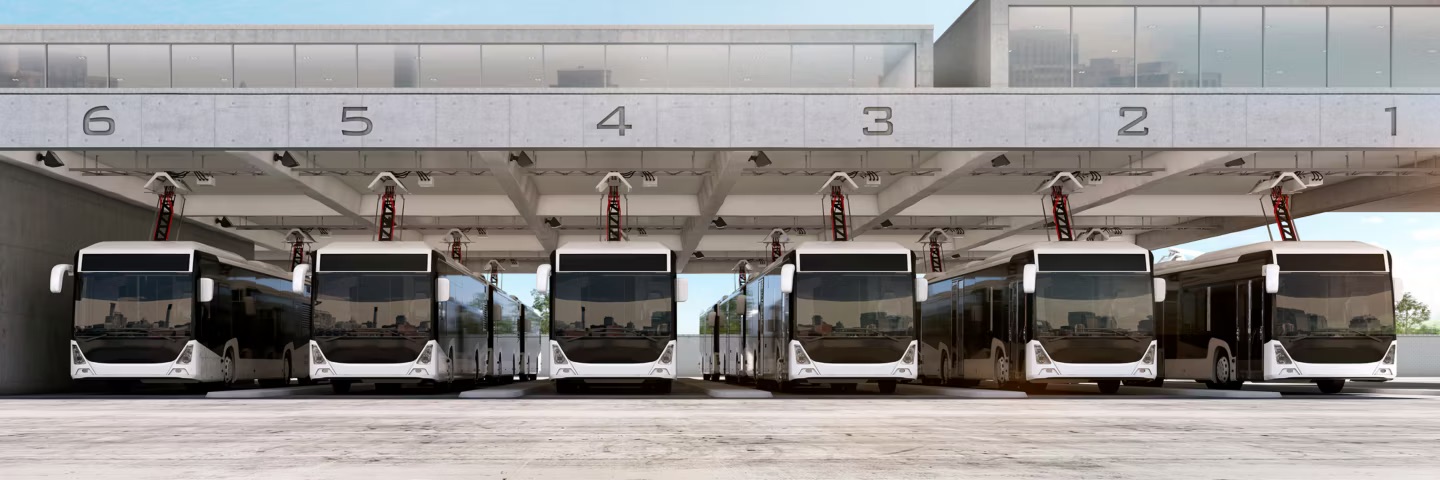
Operational Sequence
The bus aligns under the overhead charging gantry. Once the vehicle is in Neutral (N) with the parking brake engaged, the system initiates a secure handshake via wireless communication (Wi-Fi or RFID).
The driver activates the sequence from the dashboard (or the system triggers automatically). The motorized arm extends upward from the roof.
The pantograph’s collector bars make firm contact with the overhead rails (charging hood). After verifying the circuit integrity, the system delivers high-capacity DC power, typically ranging from 150kW to over 450kW.
Upon completion, the arm retracts to its stowed position. An interlock prevents the bus from moving until the pantograph is fully seated.
Hardware Architecture
On-Board Equipment
- Includes the motorized folding arm, control logic, and replaceable carbon brushes or copper contact strips.
Stationary Infrastructure
- Consists of a simplified overhead gantry equipped with a weather-protected contact hood and fixed copper rails.
Technical Trade-offs
Post time: Jul-11-2026
