
 Portable EV Charger
 Home EV Wallbox
 DC Charger Station
 EV Charging Module
 DC Charging Connector
 EV Accessories
The American Automobile Dealers Association estimates that future investment in “4S stores” and charging pile infrastructure is expected to reach US$5.5 billion.
This year, new American automotive dealerships (known domestically as 4S shops) are spearheading investment in the United States’ electric vehicle infrastructure. Whenever manufacturers announce timelines for new brand launches, local dealerships establish supporting ecosystems within their regions. Based on available data from certain brands, the National Automobile Dealers Association (NADA) estimates that dealerships command a $5.5 billion market share in electric vehicle infrastructure investment and construction.
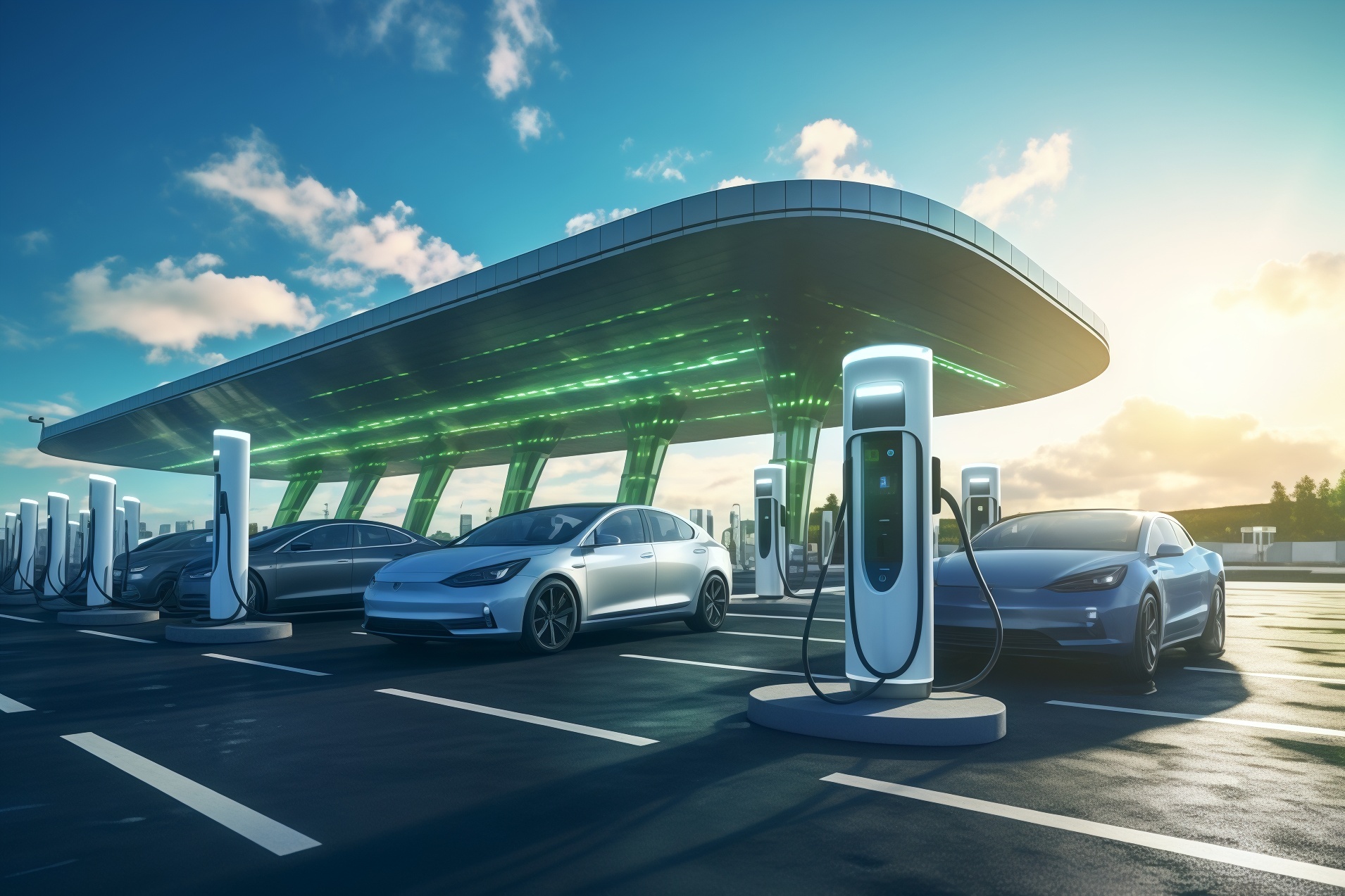
Investment requirements vary significantly across different American automotive brands, with estimated costs for each dealership ranging from US$100,000 to over US$1 million. This investment may not encompass the procurement of specialised equipment required for servicing electric vehicles, nor cover additional expenses arising from expanding power lines or installing transformers, alongside associated construction costs. Installing chargers in the United States necessitates a more comprehensive electrical infrastructure, including new transformers and power lines. Installations of this scale may involve major construction firms, accompanied by permit processes, supply chain delays, and environmental safety requirements – all obstacles that dealers actively strive to overcome.
When purchasing vehicles in the United States, consumers expect dealership sales staff or sales consultants to provide them with all the information they require, not merely concerning new car maintenance. Consequently, American dealerships also bear the responsibility of supplying consumers with the most accurate, up-to-date and comprehensive information about their vehicles. Some dealerships are also offering specialised electric vehicle training for consumers to further advance electrification in the United States. This aims to alleviate common concerns such as range anxiety and ensure consumers make informed purchasing decisions. Mike Stanton, President and Chief Executive Officer of the National Automobile Dealers Association (NADA), stated: ‘Dealerships are crucial to the sales, servicing, and overall ownership experience of electric vehicles. Dealers across the country are enthusiastic about electrification.’ ‘The evidence is in their actions: beyond investments, car dealers and their staff are educating consumers, engaging in one-to-one conversations about new technology and how it will fit into people’s lifestyles.’ Industry forecasters told Reuters that as consumer demand for pure electric vehicles grows gradually, these dealerships are also promoting hybrid vehicles as transitional alternatives for retail and commercial customers. This model is more readily accepted by a broader customer base in the US, contributing to a resurgence in consumer interest in hybrids. Standard & Poor\’s estimates hybrids will account for just 7% of US sales this year, with pure electric vehicles at 9% and internal combustion engine (ICE) vehicles dominating over 80%. Historical US data shows hybrids have never exceeded 10% of total sales, with Toyota\’s Prius among the most popular models. Industry experts believe the American electric vehicle market will remain volatile until a natural selection process completes, yielding new market leaders.
Post time: Sep-13-2025
