
 Portable EV Charger
 Home EV Wallbox
 DC Charger Station
 EV Charging Module
 DC Charging Connector
 EV Accessories
VDV 261 redefines the charging ecosystem for electric busses in Europe
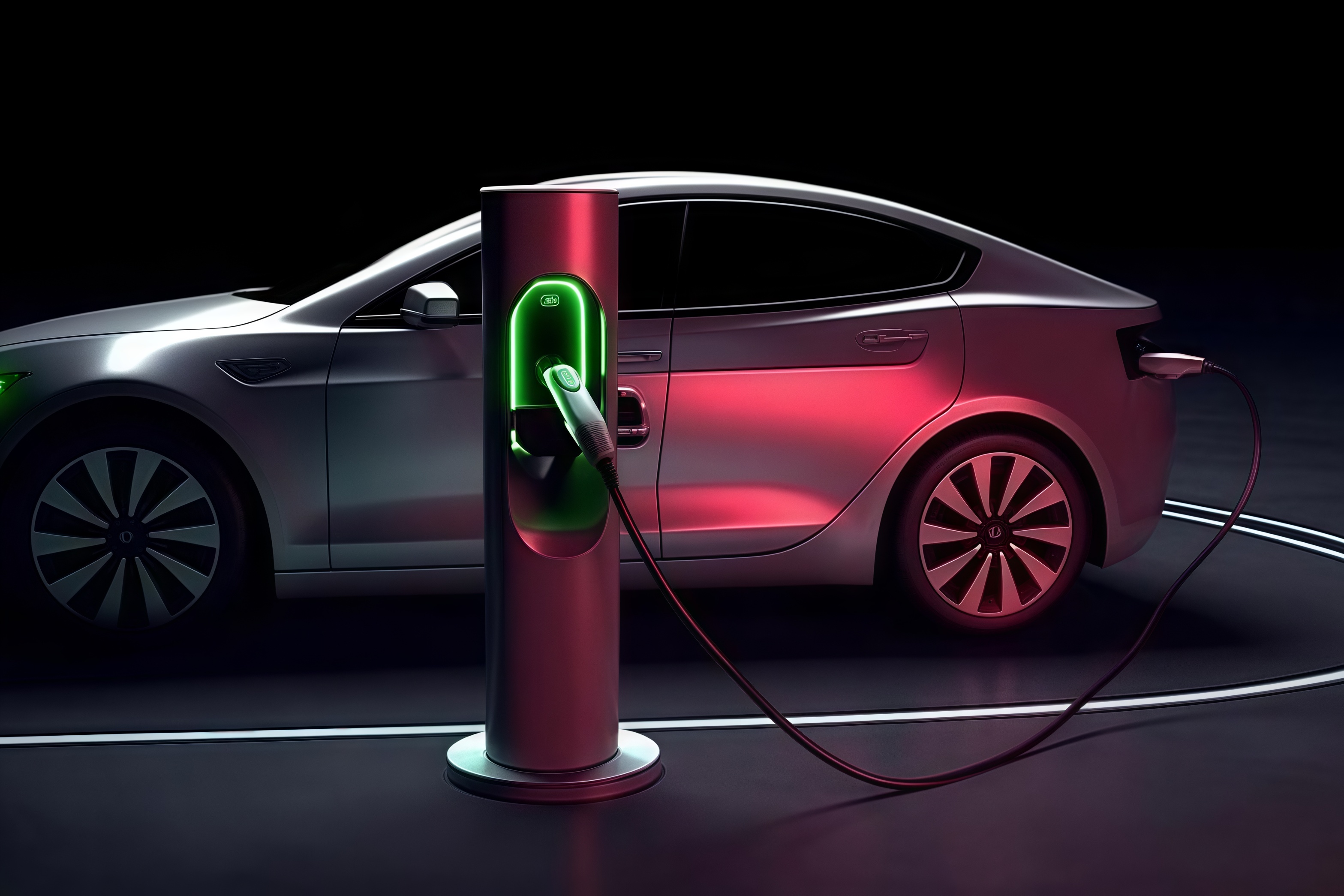
In the future, Europe’s electric public transport fleet will enter the intelligent era even earlier, involving the interplay of innovative technologies from numerous fields. When charging, smart electric vehicles connect to the smart grid—intelligent charging stations—with intelligent charging piles. The charging process is greatly simplified and automatically initiated through PNC (Plug and Charge), with the vehicle selecting the most economical rate. Authorization is based on vehicle, platform, and operator certifications.
Such a “smart” EV charging ecosystem must consider the individual needs of charging station users, vehicle user profiles, charging time windows, and grid load conditions. Charging infrastructure and grid resources will perform multi-modal analysis based on current energy availability (including pricing structure) to determine the optimal timing for activation. ISO 15118′s BPT function allows battery energy to be fed back into the grid or used as an emergency power source for other EVs or homes.
The release of VDV 261 aims to help transport companies, bus manufacturers, and software solution providers establish unified communication between electric buses and various backend systems, such as depot management systems. Communication between vehicles and charging stations has been widely addressed as part of the international standardization process—ISO 15118, which enables domestic bus exports through the installation of EVCCs, is currently the established standard. However, the requirements arising from electric bus services cannot be fully met by 15118 alone. In particular, this communication standard does not describe the communication content for systems that dispatch commercial vehicles and prepare them for the next departure, such as activation preconditioning.
Therefore, when an electric bus enters a charging station, it must initiate “intelligent collaboration.
” Automatic identity authentication:
The vehicle completes two-way digital certificate verification with the charging station through PNC (Plug and Charge), eliminating the need for manual card swiping. This requires the application of the ISO 15118 communication protocol, and the application solution is EVCC.
Precise demand matching:
The charging station automatically selects the optimal charging time based on the vehicle’s battery status, the next day’s operation plan, and the real-time grid electricity price. The application solution is an intelligent management system + EVCC.
Seamless pre-processing integration:
Before departure, the energy required for interior temperature regulation is directly obtained from the charging station (VDV 261-VAS function), and 100% of the battery power is reserved for driving. The application solution is an intelligent management system + EVCC with VAS function.
What does VDV 261 mean for public transport operators?
VDV 261 addresses a key need for electric bus operators across Europe by providing a standardized method for preconditioning their electric bus fleets. It allows operators to preheat their vehicles in cold weather and, of course, cool them down before they actually leave the depot in the summer. In some European countries, buses are required by law to be equipped with VAS functionality and to maintain a specific interior temperature range for drivers and passengers before they can depart for service.
VDV 261 How is pre-conditioning managed for electric buses?
VDV 261 builds upon other communication protocols such as ISO 15118 and OCPP. VDV 261 utilises existing charging infrastructure and communication protocols for pre-conditioning. To charge at a depot, any electric bus requires connection to a charging station. The associated telematics platform can detect and identify the bus, transmitting the following information to the vehicle: departure time, or the time by which the vehicle must complete pre-conditioning; the required pre-conditioning type (e.g., cooling, heating, or ventilation); and the external temperature, should the bus be housed in a depot where external temperatures differ significantly from internal conditions. Given these parameters, the vehicle knows whether pre-conditioning is required, what action to take (heating or cooling), and when it must be ready (departure time). Based on this information, the vehicle can use its climate system to prepare for travel at the optimal temperature.
Within the VDV 261 protocol, pre-conditioning is negotiated directly between the vehicle and the charging management system. The advantage is that it automatically applies to all buses. No manual intervention is required, thereby enhancing productivity and safety. Furthermore, pre-conditioning battery-powered vehicles enhances their range, as the energy required for heating or cooling the vehicle is sourced from the grid rather than the battery. When an electric bus connects to a smart charging station, it transmits data to precisely determine whether pre-conditioning is necessary and what type is required. The vehicle is fully prepared to depart the moment it is ready to leave.
Post time: Sep-13-2025
