
 Portable EV Charger
 Home EV Wallbox
 DC Charger Station
 EV Charging Module
 DC Charging Connector
 EV Accessories
Japan plans to improve CHAdeMO fast-charging infrastructure
Japan plans to improve its fast-charging infrastructure, increasing the output power of highway chargers to over 90 kilowatts, more than doubling their capacity. This improvement will allow electric vehicles to charge faster, improving efficiency and convenience. This move aims to promote the widespread adoption of electric vehicles, reduce reliance on traditional fuel vehicles, and achieve more environmentally friendly and sustainable transportation.
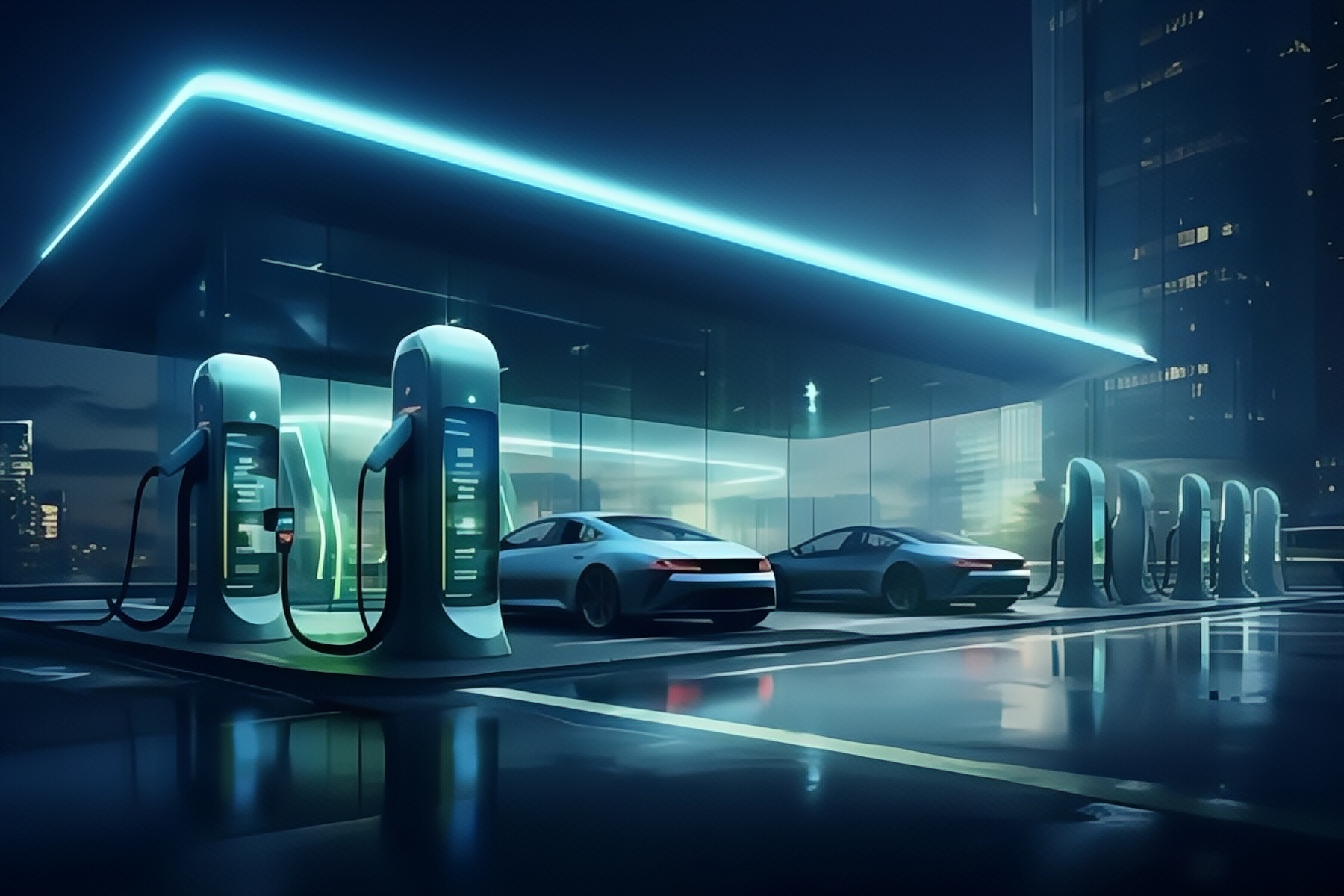
According to the Nikkei, the guidelines also stipulate that charging stations must be installed every 70 kilometres along motorways. Furthermore, billing will transition from time-based pricing to kilowatt-hour-based pricing. Japan’s Ministry of Economy, Trade and Industry (METI) plans to introduce new requirements for rapid charging infrastructure. Additionally, the Japanese government intends to relax safety regulations for rapid charging stations exceeding 200 kW to reduce installation costs.
The article states that by 2030, METI will require the current power output of motorway service area chargers to more than double, rising from the present average of approximately 40 kilowatts to 90 kilowatts. It is speculated that Japan’s current charging infrastructure primarily consists of 40kW units alongside some 20-30kW CHAdeMO AC chargers. Approximately a decade ago (during the early Nissan Leaf era), Japan witnessed a large-scale electrification drive that saw thousands of CHAdeMO charging points installed within a relatively short timeframe. These lower-output chargers are now inadequate for current electric vehicle ranges due to excessively long charging times.
The proposed 90kW charging power standard appears insufficient to support the charging demands of next-generation electric vehicles. The article notes that higher-power charging points – 150kW – are being requested for high-traffic locations. However, compared to Europe and the United States, where 250-350kW fast-charging stations are planned for similar locations, particularly on motorways, this falls short.
The METI plan calls for charging stations to be installed every 44 miles (70 kilometers) on highways. Operators will also receive subsidies. Furthermore, payment will shift from charging time (stops)-based pricing to precise energy consumption (kWh), with a pay-as-you-go option available in the coming years (possibly by fiscal 2025).
Post time: Sep-13-2025
