
 Portable EV Charger
 Home EV Wallbox
 DC Charger Station
 EV Charging Module
 DC Charging Connector
 EV Accessories
Europe’s buses are rapidly becoming fully electric
The European electric bus market size is expected to be USD 1.76 billion in 2024 and is expected to reach USD 3.48 billion by 2029, with a compound annual growth rate of 14.56% during the forecast period (2024-2029).
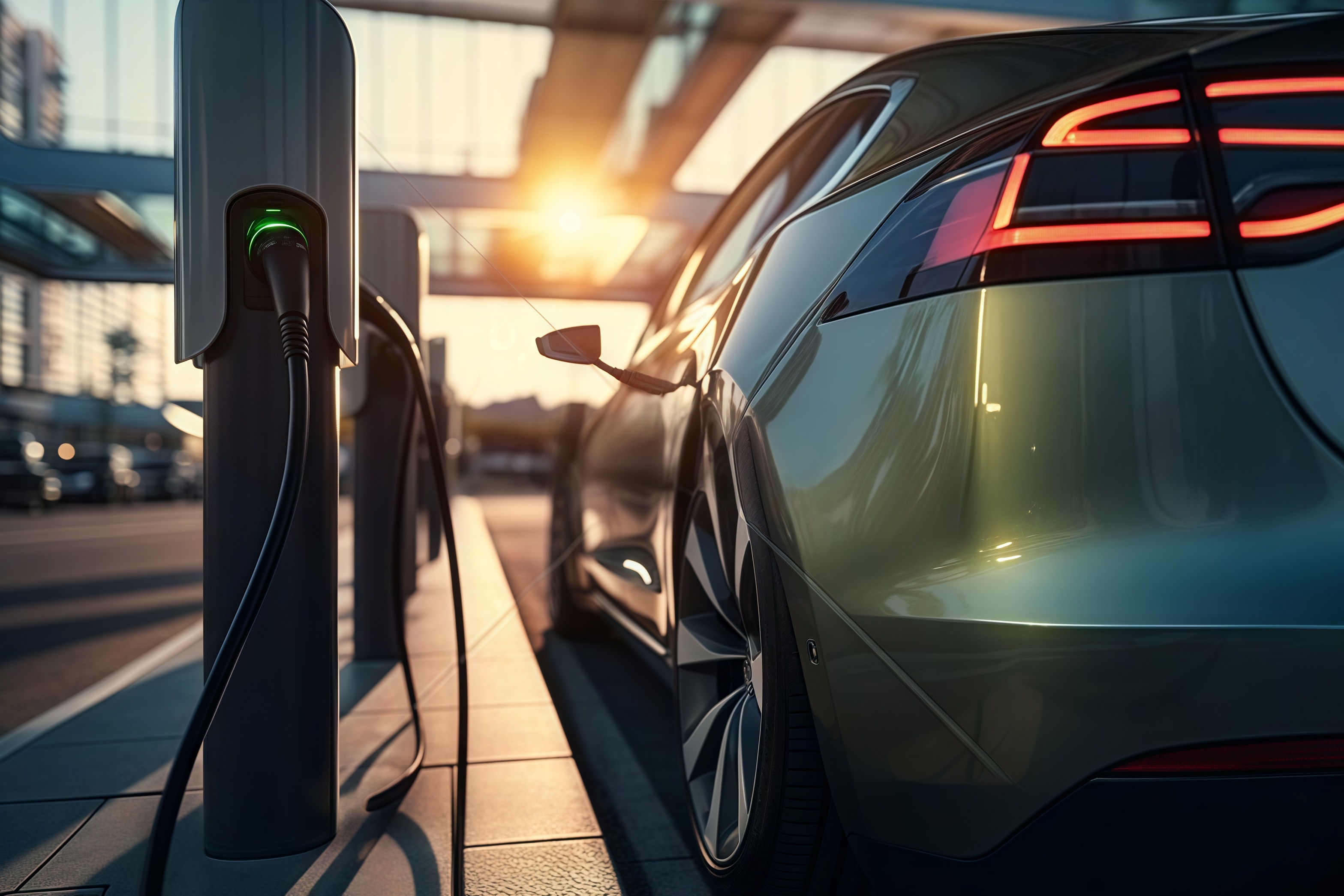
Electric buses are transforming Europe’s public transportation systems faster than many policymakers anticipated. According to a new report from Transport & Environment (T&E), by 2024, nearly half of all new city buses sold in the EU will be fully electric. This shift marks a decisive moment in the decarbonization of European public transportation. The trend toward electric buses has become clear. Cities across Europe are rapidly transitioning from diesel and hybrid models to electric buses to achieve cost savings, efficiency gains, and environmental benefits. This data demonstrates Europe’s commitment to the electrification of public transportation.
I. Market Advantages of Electric Buses:
Dual-Drive from Policy and Technology
1. Dual Advantages of Cost and Environmental Protection
The operational costs of electric buses are significantly lower than those of traditional diesel vehicles. Taking France as an example, although its share of new energy buses stands at only 33% (well below the EU average), the operational cost per kilometre for electric buses can be as low as €0.15, whereas hydrogen fuel cell buses incur costs as high as €0.95. International Data: Montpellier, France, initially planned to integrate hydrogen buses into its fleet but abandoned the scheme upon discovering hydrogen’s cost per kilometre was €0.95, compared to just €0.15 for electric buses. A Bocconi University study found Italy’s hydrogen buses incurred a lifecycle cost of €1.986 per kilometre – nearly double the €1.028 per kilometre for battery electric models. In Bolzano, Italy, bus operators recorded hydrogen bus operating costs at €1.27 per kilometre versus €0.55 for electric buses. These financial realities deter transport authorities from hydrogen, as persistent costs remain unsustainable for entire bus fleets even with subsidies. Furthermore, the EU is accelerating the phase-out of diesel buses in urban transport through stringent CO₂ emissions regulations and low-emission zone policies. By 2030, European city bus fleets should largely transition to electric propulsion, with a target of 75% electric buses in all new European bus sales by that year. This initiative has garnered support from public transport operators and municipal authorities. Moreover, the growing customer demand for electric buses stems largely from a convergence of regulatory and environmental imperatives, significantly driving the expansion of Europe’s urban electric bus market. Within Europe’s largely stagnant bus market, major cities and environmentally conscious nations are adopting electric buses to address the pressing issues of air and noise pollution, thereby fulfilling commitments to protect citizens from environmental hazards.
2. Technological advancements are accelerating market adoption.
Advances in battery technology and large-scale production have significantly reduced costs, increasing the range of electric buses to meet all-day operating requirements. For example, BYD’s buses deployed in London have exceeded expectations, completely allaying operators’ concerns about the impact of charging on operations.
Post time: Sep-13-2025
